
Protesting for the Best Interests of the Child: Iraqi Mothers Fight Custody Changes
Activist Tahira Taher urges that laws separating child from mother prioritize the child's best interests, not contested rights, ensuring stable bonds with both parents.
RAJAA HAMEED RASHEED
Iraq — Between the tales of a grandmother who raised generations and courtrooms that sometimes sever the bond between a mother and her child, a painful distance remains present in the stories of families seeking stability. Depriving a child of their mother leaves deep psychological scars, prompting Iraqi mothers to stage protests under the slogan "The Best Interests of the Custody Child First," demanding that the child and their well-being be the focal point of any custody decision.
Painful Testimonies
"M. A." got married in 2014 and later discovered that her husband had been in a relationship with another girl before their marriage, but his family did not approve of him marrying her. She says, "When I got pregnant, he began abusing and beating me from the very first month. I would leave for my family's home and then return. After I gave birth to my daughter, his affairs continued—in fact, they increased—and he neglected me in every possible way." She noted that when she tried to explain to his father how he was treating her, she was beaten and abused, and they tried to kill her. According to her, the marks of the beatings are still visible on her body today. They then threw her out into the street in her house clothes until her brother came and took her to her parents' home in 2020, where she remained until 2025, during which time he did not send her alimony. She stressed that she took full responsibility for raising her daughter as a working employee, enrolling her in a private school where she excelled. However, after the enactment of the Jaafari Law, her husband converted their marriage contract to the Jaafari code with the aim of keeping her suspended (neither fully married nor divorced). She then agreed with a lawyer on a Khul' divorce (divorce by mutual consent initiated by the wife), relinquishing all her financial rights. He agreed to the divorce, and after the separation was finalized, he filed a lawsuit to strip her of her daughter's custody.
"S. F." married and separated under the Personal Status Law No. 188. Her only child was 11 years old when custody was taken away from her. Years after the separation, her marriage contract was converted to the Jaafari code under Law No. 1 of 2025, despite her objections and her appeal against the conversion decision. She added, "After all the exhaustion and effort I put into raising and educating my only child, his custody was stripped from me overnight. He was handed over to his father at the beginning of the third month, and from that day until now, I have not seen him or heard his voice." She notes that abruptly depriving a child of the person they have been accustomed to for years causes psychological devastation, adding that she learned he is suffering psychologically and physically, and is being taken to the hospital for medical treatment. She continued, "I filed a lawsuit for visitation and overnight stays since the third month, and until now, the case has not been resolved. The father requests a postponement at every session, and each postponement lasts a full month. I do not know when I will see my child or hear his voice."
Custody Between the Law and the Child’s Best Interest
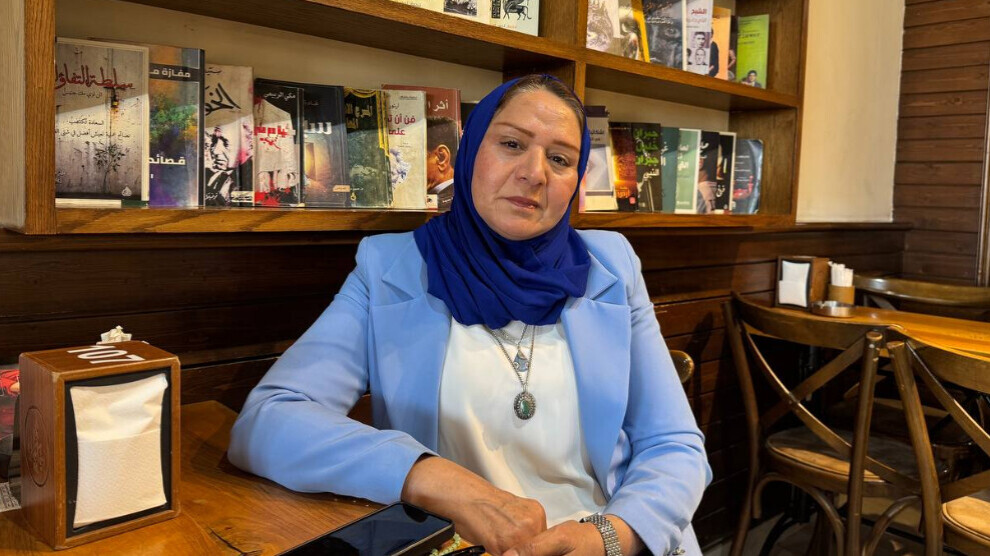
Tahira Dakhil Tahir, a women's and children's rights activist, explained that a mother holds a high status, spearheading leadership and guidance in all areas of life. This is precisely what happened during the wars and emergency circumstances that Iraq has gone through and continues to endure, as women shouldered life in its entirety. However, this fact alone does not constitute the criterion upon which custody laws should be built. She pointed out that modern law must stem first and foremost from the best interests of the child—a principle that prioritizes psychological stability, safety, care, and the capacity to raise the child, far removed from preconceived judgments tied to the gender of the custodian or inherited stereotypes. Therefore, when voices rise today demanding "The Best Interests of the Custody Child First," they do not oppose the status of the mother or grandmother; rather, they emphasize that the child’s right to a safe and stable environment must be the supreme standard in any custody decision. If a contradiction appears between certain legal texts and social reality, what is required is a review of the laws to achieve justice and preserve the child's rights, rather than merely resorting to heritage or abstract texts alone. She added, "The message we must instill in the child’s mind is that the mother and father are partners in protecting and caring for them, and that any legal decision should aim to protect their psychological and social interests above any other consideration, rather than turning the child into a party in an adults' dispute." She noted that "When we say 'the mother is a school,' we do not mean she is merely a person who provides care. Rather, she is the primary environment in which the child’s conscience, values, and sense of security are formed. In their early years, their emotional and psychological attachment to their mother is an essential part of their healthy development." She emphasized that "Our popular heritage, by linking goodness and blessings to the presence of the mother, expressed a deep awareness of her role in providing affection and psychological stability—not an erasure of the father's role or the rest of the family members. A child needs a secure relationship with both parents, and each has an indispensable impact." Therefore, any decision regarding custody should be based on a scientific, psychological, and social assessment that places the best interests of the child above all else, ensuring that the child is not deprived of a natural, safe relationship with either parent unless their own best interest demands it. The goal is not to grant victory to one party at the expense of another, but to protect the child's right to grow up within a stable environment that preserves their fundamental family bonds. Pointing out the negative consequences of removing the mother from custody, she said, "We produce children who feel broken inside. According to the popular saying, 'A house without a mother is a ruin.' This does not mean that the father's presence is less important, but rather reflects the emotional and educational status that the mother occupies in the collective consciousness as a source of affection, care, and stability."
The Child is the Pivot of Any Decision
From the perspective of child psychology, material needs alone are insufficient to build a balanced personality. A child also requires emotional security, psychological bonding, and the reassurance that they have not been deprived of one of the most important people in their life. If a custody decision leads to severing or weakening this relationship without the child’s best interest dictating it, the child may feel they have lost a piece of their safe world, regardless of the material comforts provided to them. Tahira Dakhil Tahir concluded her remarks by stressing the necessity of awareness and education focusing on the parents' role in caregiving, the importance and solidarity of the family, internal psychological peace, the rejection of domestic violence, the promotion of a culture of apology, solving problems through logic and rationality, and adopting modern methods in upbringing.