
The Union of Residents in Iran: Between Protecting Nature and Confronting Authoritarianism
How does voluntary environmental work in authoritarian systems transform into an act of resistance? The People’s Union is Perceived as a threat that reopens the question of power and its limits.
SARA POURKHEZRI
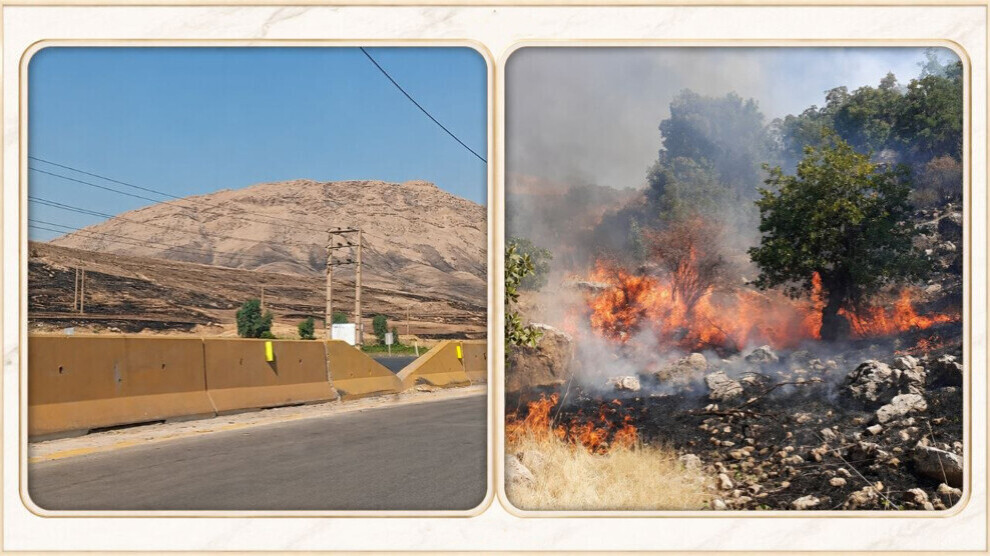
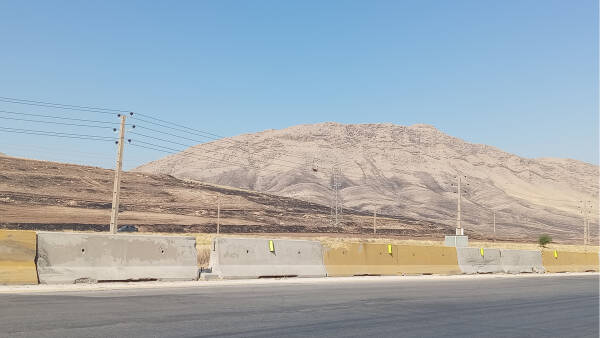
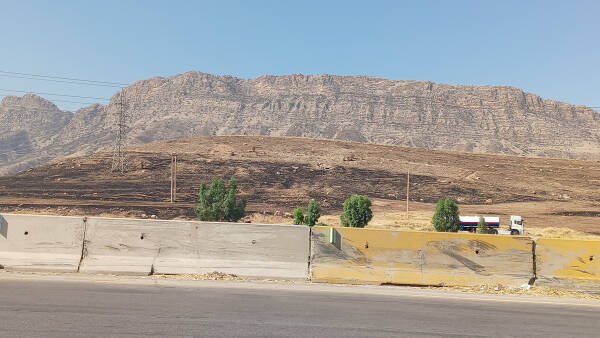
Kermashah_if we look at nature around us these days, we see in every corner of Zagros traces of blackness and burning_patches that appear as if etched into the body of this nature, telling of deep pain, Vast areas of forests, pastures, and mountains in the country burn every year, and nature, which is supposed to be a source of life, turns into a scene of destruction. But the essential question is : why does this catastrophe repeat every year? And why, despite bitter experiences and heavy losses, does the crisis not diminish but rather expand?
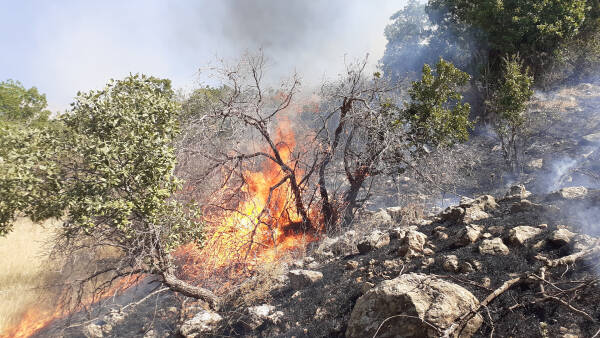
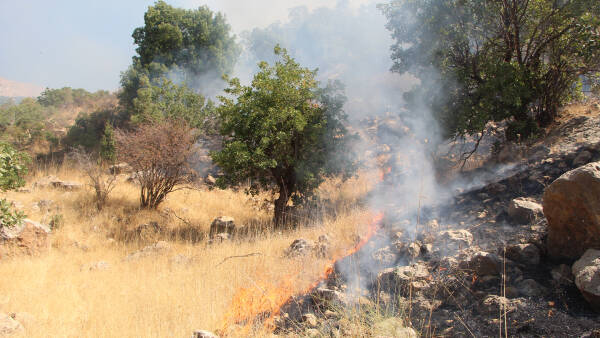
In recent years, Iran's nature, especially Zagros—the green lung of the country's west—has entered a sensitive and fragile phase with the onset of hot days. During this period, a small spark, a bottle left under the sun, or authoritarian interests can turn into a fire threatening the lives of thousands of trees, plants, and creatures.
Mahbubeh R., a member of the "Ishtar" Environmental Association in Kermanshah, says: "Although our association is concerned with environmental protection, it bears no relation to the responsibility its name implies. At the start of every summer, only popular groups mobilize to confront forest and nature fires. However, people's capacity is limited in the face of this expanding danger; equipment is insufficient, and volunteers face the fire directly without any tools or protective gear."
She adds: "Those who risk their lives, with primitive means and without any safety equipment, are these nature lovers who stand on the front line. Yet, the authorities seek to exclude them by creating problems and pressuring them, because they want to hide their own failure."
According to statistics from the country's Forests, Rangelands, and Watershed Management Organization, approximately 21,000 hectares of forests and rangelands in Iran are burned annually—an area equivalent to about 30,000 football fields. What is concerning is that about half of these fires occur within the Zagros range, where the largest proportion of Iran's oak forests are located.
To understand the depth of this catastrophe, it is enough to realize that this area is roughly equivalent to the entire city of Kermanshah. This immense scale of destruction does not only mean the loss of trees but the death of an entire ecosystem. In this vast area live thousands of plant and animal species, many of which exist only in Zagros, and their revival is either impossible or requires decades.
From Firefighting to Confronting Repression
Previous statistics and the expanding scale of fires show that popular forces face a massive volume of losses and destruction every year. But the nature lovers' battle against fire is only one side of the story; they stand against two enemies: one is the flames that consume forests and pastures, and the other is authorities who line up against them instead of supporting them.
This is why, every year, alongside the painful numbers of those who lose their lives fighting fires, a wave of security files and extensive restrictions is imposed on these volunteers. These pressures do not stop at warnings and threats but extend to political and security charges, arrests, lengthy interrogations, and heavy prison sentences.
Mahbubeh R. says: "In recent years, we have witnessed the painful departure of many people who sacrificed their lives to protect nature—among them volunteers who lost their lives last year while trying to extinguish a fire on Mount Abidar in Sineh (Sanandaj)."
She points out that "the death of these individuals was not due to negligence or human error; it can be considered direct state murder. The government does not only fail to prevent fires but, through deliberate neglect and the absence of equipment, drives environmental activists into the trap of fires whose conditions it has itself helped create. Even if these activists escape certain death, the government brings security files against them, political charges, and long-term arrests, imprisoning them as if saving nature were a crime and protecting forests an unforgivable sin."
In light of this reality, protecting natüre in Iran is no longer merely voluntary activity or an environmental duty but has become a space where environmental issues intersect
with public rights and freedoms. While pressures and prosecutions that make envirnmental work a challenge that goes beyond forests to defending society’s right to organize and initiate.