
When a Woman Is Killed Twice… Defaming Victims in the Libyan Digital Space
Abuse against women doesn’t end with killing; after death, digital assaults begin-photos, conversations, and personal information published, undocumented accussations circulated, damaging reputations before investigations conclude.
AZIZA HUSSEIN
LIBYA_ The suffering of some women does not end with their death, as abuse against them may continue through defamation, scrutiny of their private lives, and judging their image and reputation instead of focusing on revealing the truth of what happened.
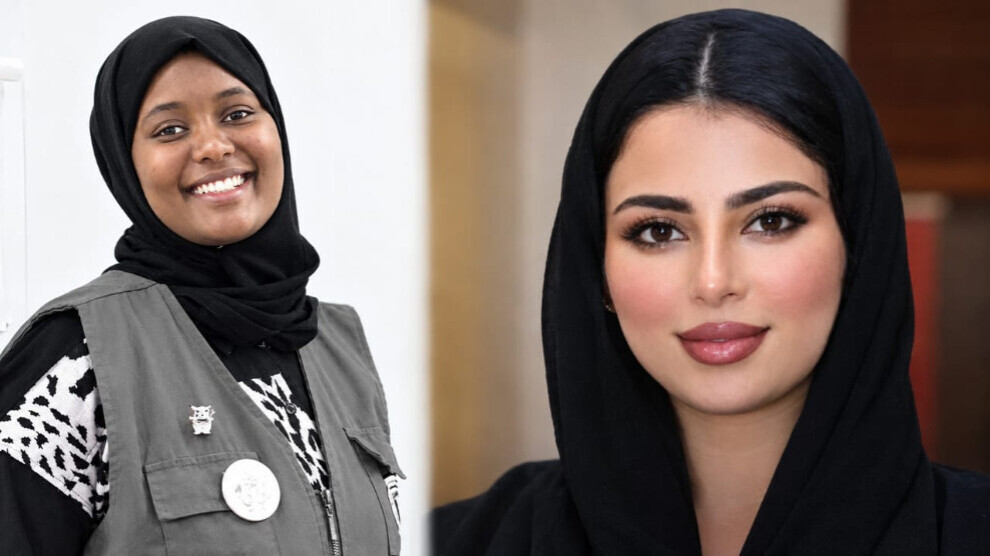
The case of scout activist and Libyan Red Crescent volunteer Fatima Al-Tabawi began with a report of her disappearance, before she was found dead two days later inside an apartment in the Al-Majouri area of Benghazi in July 2026. The Benghazi Security Directorate announced that investigations were ongoing, and that the cause of death would be determined based on forensic medicine results and technical and laboratory examinations, with the hypothesis of suffocation being put forward without final determination. Amid conflicting circulating accounts, the National Human Rights Institution demanded a transparent investigation to uncover the circumstances of the case.
But the case did not stop at the limits of the investigation, as it moved to social media, where posts and comments addressed Fatima's private life, image, and reputation, turning the victim herself into a subject of social judgment.
Part of this problematic repeated in the case of content creator Khansa Al-Mujahid, who was killed in the Al-Siraj area in November 2025 by gunfire from unknown assailants. Despite the Ministry of Interior announcing the opening of an investigation, the motives of the crime and the party responsible for it remained undetermined in published reports until February 2026.
The two cases reveal a problem that goes beyond the crime itself: when the victim is a woman, her digital and personal life may turn into material for interpretation and defamation. Her image and behavior are discussed instead of focusing attention on her right to justice and revealing the truth. Respect for a woman does not end with her death, and her death does not cancel her right to dignity, nor does it exempt society from its responsibility to protect her reputation and memory.
When the Victim Turns into the Accused
Journalist Salma Massoud believes that one of the most dangerous phenomena accompanying the killing of women is society's transition from investigating the crime to trying the victim. She explains that questions may turn, instead of focusing on evidence, the identity of the perpetrator, and previous danger indicators, to the woman's private life, relationships, lifestyle, and what she used to post on social media.
She links this to what she describes as the idea of the "ideal victim," where a woman is sometimes viewed as deserving of sympathy if her image conforms to prevailing social standards, while a piece of information or a rumor that does not conform to that image can turn into a pretext for defaming her.
She confirms that disagreement about a woman's behavior or choices does not give anyone the right to assault her, and that justice is not granted as a reward for adhering to social standards, but as a right not linked to personal behavior.
She believes that defamation after death can represent an extension of the social censorship that some women face during their lives, but it acquires another dimension after death, because the woman is no longer able to respond or defend herself.
In the Libyan context, she points to the presence of the concept of "honor" in some social and legal discourses, considering it necessary to discuss the impact of this concept in dealing with femicide crimes.
When "Honor" Becomes a Ready-Made Narrative
Feminist activist Dina Al-Fazzani believes that defaming women's reputation after their killing reflects a double standard in social norms; the scrutiny of a woman's private life can become a fundamental part of the discussion about the crime, while the same behavior does not receive the same attention when it relates to a man.
She says that a woman may be subjected to defamation "whether rightly or wrongly," noting that using details of her private life to explain her killing may lead to transferring responsibility from the perpetrator to the victim. She also links this to the discussion about legal texts related to so-called "honor crimes," considering that the existence of texts granting mitigating circumstances in specific cases calls for a legal and societal discussion about the extent of their consistency with protecting women's right to life.
The Family Also Pays the Price of Defamation
Psychologist Bahija Al-Akhdar believes that the death of a daughter may be a very painful experience, but its association with rumors and circulating accusations can add to grief feelings of anger, helplessness, anxiety about the deceased's reputation, and fear of society's view.
She notes that repeated exposure to offensive content can increase psychological pressure, and may appear in the form of insomnia, constant rumination over what is published, or avoidance of social media. She advises families, when necessary, to reduce exposure to offensive content, assign one person to follow what is published, preserve materials that may be relevant to legal action, and avoid re-publishing rumors or entering into electronic confrontations with them.
When Death Becomes the Beginning of Another Trial
Media professional Mounia Ben Yahmed says that women in Libya face, alongside violence and crimes to which they are subjected, another form of violence represented in defamation and moral assassination. She notes that this discourse has become remarkably present in society, especially in cases in which a woman is a party, in order to divert attention from the original crime.
She noted that a woman who is subjected to killing, especially if the perpetrator is from her circle or relatives, may herself turn into an object of accusation, instead of attention focusing on the crime and holding its perpetrator accountable.
She added that many social media platforms contribute to spreading narratives that affect the victim's reputation and re-present her to public opinion as responsible for what she was subjected to, considering that the repetition of these practices raises questions about the existence of a systematic discourse targeting women, especially in cases of murder and violence.