
Violated Childhood... When the Law Fails to Protect Children
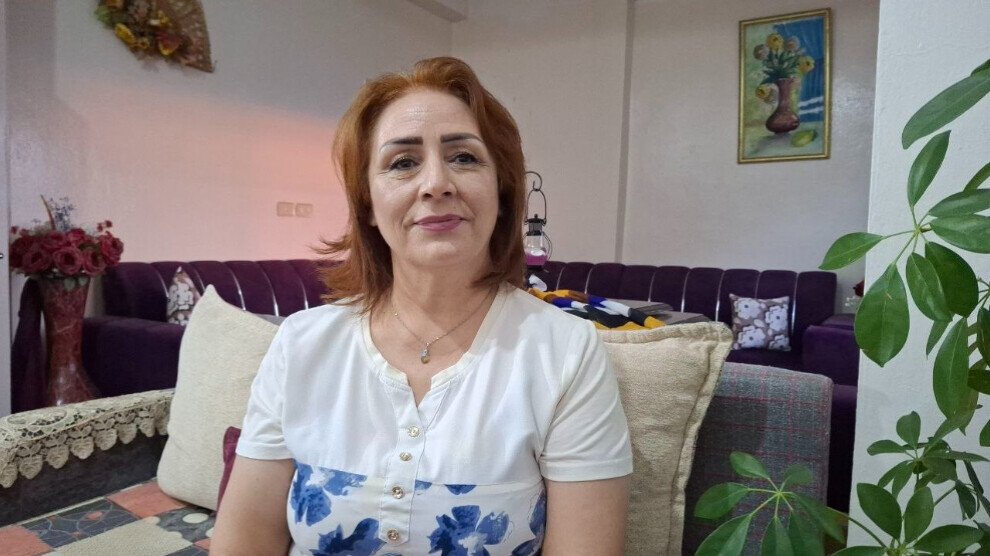
Social activist Samaher Al-Andari said violence threatening Syrian children is no longer linked to crisis years alone, as successive assaults reveal new societal dangers, raising protection and accountability questions.
ROCHELLE JUNIOR
AS-SWEIDA – After years of crisis, the dangers threatening Syria's children have not ended, but have taken other forms within society and the family, reopening the debate about the protection and accountability system.
With the political and military transformations the country has witnessed, and Syria's entry into a new political phase, Syrian society faces challenges that go beyond the effects of direct war. Children, who for years were victims of bombardment, displacement, and violence, today face other forms of violations, including assaults and crimes within society and the family, amid increasing questions about the mechanisms for their protection and holding perpetrators of violations against them accountable.
This reality raises urgent questions about the effectiveness of the child protection system, and the ability of the law to deter domestic and societal violence and hold its perpetrators accountable. Here the most important question emerges: Where is the law when children's rights are violated? Who holds the abusers accountable? And until when will childhood in Syria remain exposed to violence and violation, without protection guaranteeing its simplest rights to safety?
During the past days, two cases sparked a wave of anger and concern in the Syrian street, after two girls were subjected to harsh assaults that led to their deaths, one in Deir ez-Zor and the other in Rural Damascus, in two incidents that brought back to the forefront the issue of violence affecting children.
Despite the difference in the circumstances and details of the two incidents, they reveal a painful reality, as children are subjected to violence in environments that are supposed to be a source of safety and protection for them. A reality that raises serious questions about the responsibility of the family, society, and the concerned authorities, and the effectiveness of the measures taken to protect them and hold the perpetrators of these assaults accountable.
In this context, our agency conducted an interview with social activist Samaher Al-Andari, who confirmed that what the two cases witnessed represents a blatant violation of childhood rights, and an assault on the sanctity of the body and human dignity.
Justifying Violations Increases Child Killing Cases
Samaher Al-Andari explained that confronting these crimes should not be limited to punishing the perpetrator after the assault occurs, but requires the existence of clear and effective legislation that guarantees the protection of children, ensures the rights of victims, and achieves justice.
She added that society often resorts to explaining such crimes by saying that the perpetrator is "mentally ill" or "abnormal," considering that these interpretations, even in cases where psychological disorders are proven, should not turn into a justification for reducing responsibility or ignoring the victim's right to protection and justice.
She explained that sexual assault on a child does not only affect the body, but extends to their psychological state, feelings, and memory, and may leave a deep impact on their view of themselves and the surroundings around them.
Regarding the psychological effects resulting from these assaults, she said that the repercussions of sexual assault may continue for long years, and affect the victim's ability to build healthy relationships, feel safe, and form trust in others.
Deficiencies in the Child Protection System
Samaher Al-Andari questioned the effectiveness of laws concerned with child protection, criticizing what she described as the weakness of current legal frameworks and their inability to provide adequate and deterrent protection for children and women, especially in cases of assault and violation.
She stressed that describing the assault as a "violation" should not reduce its seriousness or pass without accountability, especially when it concerns the body of a child or a woman who has been subjected to rape or violence. She believes that victim protection must be comprehensive, and not limited to punishing the perpetrator after the crime occurs only, but must extend to prevention, providing support to victims, and ensuring they are not subjected to further harm during the justice process.
The Need for Societal Awareness
Samaher Al-Andari believes that confronting the phenomenon of violence and assault against children cannot be limited to the legal aspect alone, but also requires social, educational, and cultural change that enhances awareness of children's rights.
She confirms that building a safer society requires a system of moral and human values, saying that "society needs a moral and human system that protects the human being, and makes them realize that the dignity, body, and feelings of others are not the property of anyone."
Samaher Al-Andari called on women to break the barrier of silence and disclose any assault they are subjected to, confirming that enhancing societal awareness and providing a safe environment to talk about violations, away from fear and stigma, can contribute to limiting the continuation of crimes.
She stressed that protecting childhood is not an issue concerning one family, nor a passing incident, but the responsibility of an entire society, starting from upbringing and awareness, passing through law and accountability, and ending with an environment in which every child and every woman feels that their body, dignity, and life are protected.