
The Syriac Language Between Survival Challenges and Constitutional Recognition Efforts
The Syriac language in Rojava faces a critical phase requiring constitutional recognition and institutional support, alongside ongoing educational and cultural efforts to preserve it.
Asmaa Mohammed
Qamishlo — Educational and cultural circles in Rojava have affirmed that the Syriac language is at a pivotal stage that requires legal and institutional measures to protect and enhance its presence, especially following statements by the Olf Taw Institute for the Syriac Language in Qamishlo. This comes amid growing demands for its constitutional recognition as an official language, as it represents an authentic part of the country’s history and cultural diversity.
Amid ongoing discussions about cultural identity and the rights of diverse communities in Syria, the Syriac language emerges as a key issue in preserving the historical and cultural heritage of the Syriac component. Linguistic and cultural figures in the north and east of the country have emphasized the need to recognize Syriac as an official language due to its direct impact on educational, social, and cultural life. This follows statements from the Olf Taw Institute in Qamishlo, which stressed that the Syriac language is not merely a means of communication, but a cornerstone in preserving the community’s identity and transmitting it to future generations.
Challenges to the Survival of the Syriac Language and Efforts to Consolidate It
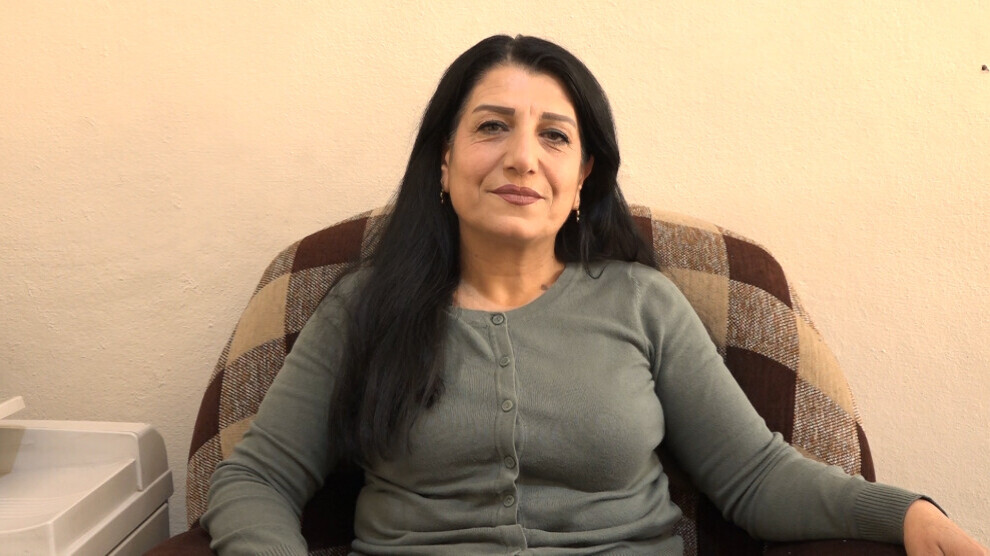
Hilda Bahi from the Olf Taw Institute, a Syriac language teacher, addressed the current situation of the language in the region, the difficulties it faces, and possible solutions to ensure its continuity. She affirmed that constitutional recognition represents a fundamental step toward strengthening the language’s presence in schools and cultural institutions, stating:
“The Syriac language is part of our daily lives and our historical identity. Every text or word we lose today is a piece of the community’s heritage gone forever. Therefore, official recognition is not an option, but a necessity to secure the future of our language.”
She pointed out that “the challenges are numerous. Despite the presence of schools and educational centers that teach Syriac, educational resources are limited and qualified teachers are few. Moreover, daily use of the language is gradually declining due to social pressures. This places us at risk of losing part of our cultural heritage if we do not act quickly.” She added that “the Syriac community in the region is aware of the importance of the language, but we need official support to ensure its integration into school curricula across all educational stages, from kindergarten to university. This educational framework would make the language present in academic and cultural life and enhance its status among younger generations.”
She also stressed the importance of revitalizing cultural and artistic activities in Syriac, emphasizing that language is not merely written vocabulary, but a living entity that thrives in songs, folk tales, theater, and visual arts. Supporting such activities, she explained, deepens the community’s connection to its language and strengthens its resilience in the face of surrounding cultural and social pressures.
Constitutional Recognition and Educational Support: Pillars of Protection
She further explained that constitutional recognition of the Syriac language would provide genuine legal protection, granting it a stable presence in education, media, and culture, and equipping the community with practical tools to preserve and pass it on to future generations. Official recognition is not merely symbolic, but a real foundation for building a society that safeguards its heritage and identity.
She emphasized the need for teacher training programs, the provision of modern and diverse textbooks and curricula, and the organization of workshops for students to teach the language in engaging and interactive ways:
“These efforts ensure that the Syriac language does not remain confined to rituals or celebrations, but becomes part of the daily life of every individual in the community. Families also play a crucial role in transmitting the language, as the home environment is the first space where a child learns their mother tongue. Raising family awareness and supporting parents in teaching their children Syriac is an integral part of preserving it and complements official educational efforts.”
Hilda Bahi concluded that the future of the Syriac language depends on both community will and official support. Their vision, she explained, is to make Syriac present in various spheres of life, including education, culture, media, and community events. Every step toward constitutional recognition and every form of support provided to schools and cultural centers constitutes a fundamental pillar for the language’s continuity and protection from extinction. She affirmed that the Syriac community remains committed to its language and will not abandon it.