
Teachers: The News Syria Must Not be Built on Restricting peoples’ Languages
The decision by the Ministry of Education in the Syrian Interim Government regarding the allocation of classes for teaching Kurdish and including its grade in student’s overall average has sparked widespread debate in Rojava.
RONEIDA HAJI
Al-Hasakah_The Ministry of Education’s decision on teaching Kurdish has sparked widespread discontent among the Kurdish people. Residents affirm that restricting Kurdish language teaching is not merely a linguistic issue but could place new obstacles before Kurdish students’ future.
Under the new decision by the Ministry of Education in the Syriannn Interim Government, three weekly classes have been allocated for Kurdish, and the Kurdish language garde is counted within the student's overall average. One weekly class has also been allocated for activities in Kurdish.
14 Years of Struggle
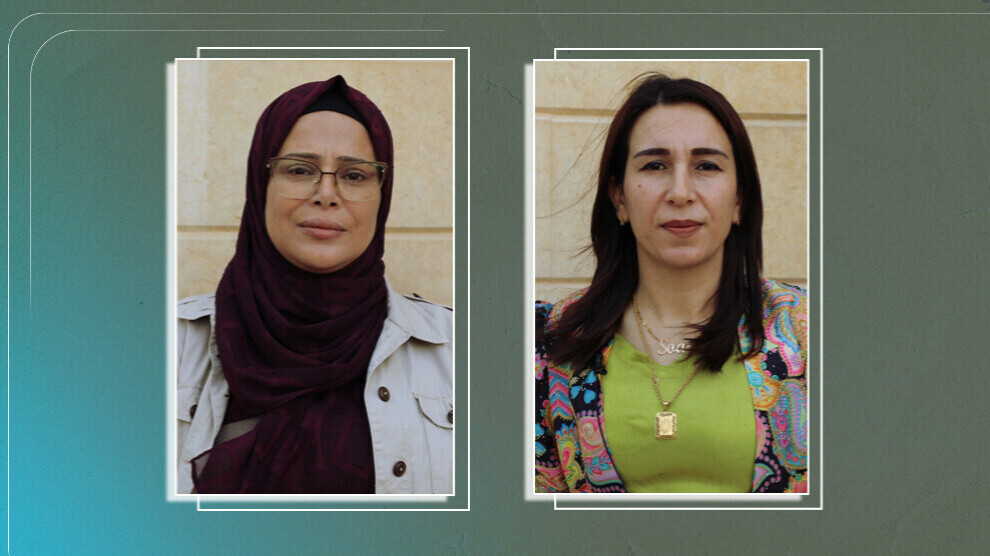
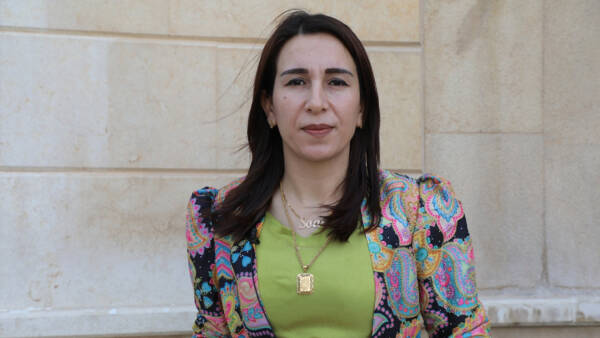
At the beginning of her remarks, Kurdish language teacher Jinda Ahmed said that over 14 years of struggle for their language and education, they were able to develop a system for education in Kurdish: "Kurdish students study at all educational levels, from primary to middle and secondary school, institutes, and universities, and materials have been prepared in Kurdish."
She stresses that the fundamental demand of the Kurdish people is for Kurdish children and students to learn in their mother tongue, and for all educational materials in scientific and literary fields to be offered in Kurdish. She noted that allocating three weekly classes, after the gains achieved over 14 years, is insufficient. "This could open the way to new educational problems.
"The Decision Limits Students' Future"
Jinda Ahmed highlighted the decision's impact on Kurdish students: "Children who have so far learned scientific subjects in Kurdish will face difficulties with the change in the language of instruction for these subjects." She explained that a student who learned mathematics in Kurdish will face obstacles when the subject is taught in Arabic.
She said: "This situation can affect students' psychological state, and may even lead them to drop out of school." She noted that the decision sends a message to students that they cannot become doctors, engineers, or specialists in other scientific fields. "Language should be a tool through which a student can build their future."
"Kurdish Is Our Identity"
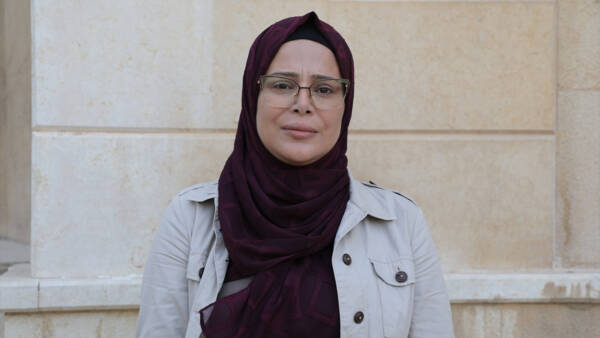
For her part, Kurdish language teacher Hindarin Sinu said this decision does not align with the Kurdish people's culture and identity, highlighting the Kurdish people's long struggle for their rights, saying that after all the sacrifices made, it is the Kurdish people's right to study their language in all scientific and literary fields.
She affirmed that "the Kurdish people are partners in building the new Syria, and it is their right to learn, speak, and express their thoughts in their own language," calling for guaranteeing the right to mother tongue education for all peoples of Syria, and for students to be able to study all scientific, literary, and academic fields in their own languages.
Hindarin Sinu also called on the Interim Government to reconsider its decision and respect the efforts and gains achieved over 14 years of education in Kurdish. "The new Syria must not be built on restricting peoples' languages, but on guaranteeing their rights and providing mother tongue education."