
Healthy Nutrition: Between Daily Habits and Unverified Information
With diverse dietary trends and individual needs, nutrition expert Naz Khairuddin stresses the importance of informed eating practices over unverified social media advice.
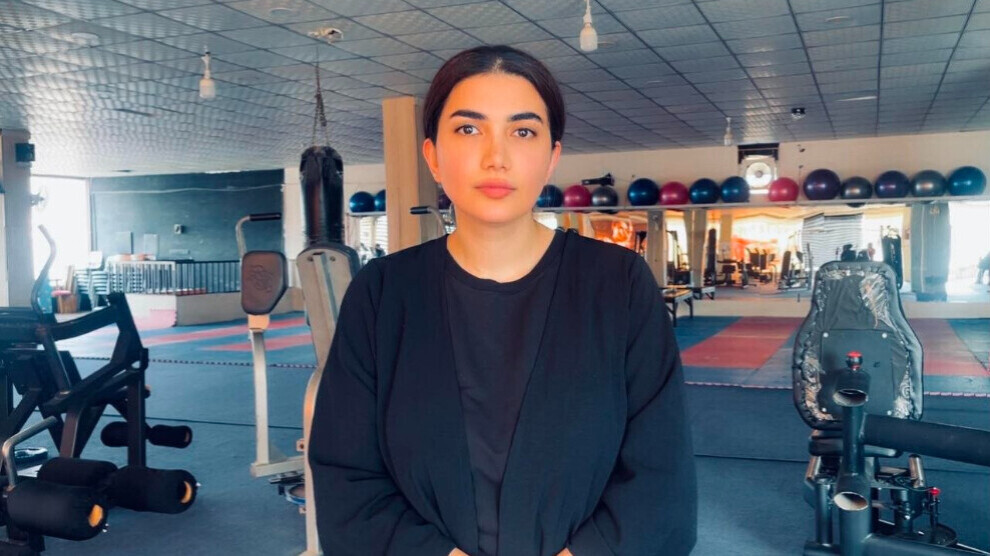
SHELIR KOYI
Koya — With evolving lifestyles and the vast availability of information on social media, healthy nutrition has become one of the most discussed topics. However, this interest has also produced many misconceptions and myths whose harms are not limited to being ineffective but may negatively affect the body's health—particularly women's bodies, which have a unique physiological composition and characteristics.
Following any diet without consulting specialists can lead to undesirable results. This report highlights the importance of healthy nutrition and common mistakes made daily in society, based on the opinions and advice of specialist Naz Khairuddin, a trainer and holder of a diploma in healthy nutrition.
She says: "We hear daily about healthy eating, and immediately we think of someone who is overweight or obese. But in reality, this is not the case. This system applies to every person who wants to have a healthy body—whether a baby, a young person, or an adult."
She noted that the belief that a slim person can eat whatever is in front of them because they won't gain weight is also a misconception. "We all need to adhere to a healthy diet, and this requires a nutrition specialist, not random advice from just anyone."
"Adhering to a Healthy Diet"
Naz Khairuddin also pointed to a widespread misconception among families: "We often think that children don't need attention to their diet. We constantly hear parents say things like: let him eat, he's a child and will burn the calories, or as long as he's young, let him eat whatever he wants. But this is very wrong."
She explained that the reason is the risk these practices pose to a child's health after puberty. "True, children at this age move a lot and burn what they eat, but as we age, we see rising rates of high blood pressure, diabetes, heart disease, and many chronic illnesses. One reason for this is not adhering to a healthy diet from an early age."
She explained that the problem is not only about the food itself but also its quality, timing, and preparation method. "Often, the food itself is unhealthy, and most of our foods are not good from a health perspective. If the timing and preparation method are also unhealthy, this leads to bigger problems."
Eating before sleep, as our interviewee confirms, may be linked to a number of health problems, such as hormonal imbalance, fatigue and discomfort, poor sleep, and effects on psychological state, in addition to significant muscle mass loss.
"Great Confusion Around Dietary Plans"
Due to the many people talking about healthy food and diets, everyone presents a different opinion or information, which, as she explains, "has created confusion in the minds of people who want to follow a healthy diet and protect themselves from illness."
She believes that people often get preoccupied with what they hear here and there without asking a specialist. Some pregnant women ask older people about suitable foods during pregnancy, without realizing that the foods available in their time differ from today's foods and conditions.
She gave an example: some foods may be generally beneficial but may not be suitable for someone with a specific type of headache or a particular health condition. Therefore, just because a food is healthy does not mean it is suitable for everyone in the same quantities.
Another common mistake is following someone else's diet. "There are people like bloggers, journalists, and artists who create their own specific diet. If they find it suitable for themselves, they publish it under their name, and others imitate it. But what works for them does not necessarily work for others."
She added that some diets promoted for weight loss were originally used for therapeutic purposes in people with certain conditions, such as epilepsy, and helped reduce brain activity. Later, people began following them for weight loss.
What Is the Best Diet?
Regarding the best diet, she said: "The best approach is not to eliminate any food group—whether fruits and vegetables, legumes, dairy, or meat. You should never deprive yourself of these foods. Instead, make smart choices and consume appropriate amounts."
She said: "You should ask yourself: What do I need from these foods? What does my body need? Do I have any illness? Approach it consciously. If you don't know, consult a specialist."
Naz Khairuddin has been working for about ten years through her social media accounts to help women learn how to follow a healthy diet. She said about this: "I feel proud that I can help women who need my expertise in nutrition."
She explained: "My approach varies. Sometimes I set a diet plan for three days, or five days, and I constantly change it. The group includes women from most cities in the Kurdistan Region, and sometimes women from outside the country as well." She noted that the number of participants increases depending on the season and time, adding that the work is not easy, as before preparing any diet for anyone, she needs to obtain accurate and detailed information about them.