
First Iraqi Woman Chef Turns Her Experience with Illness into a Healthy Food Project
From a personal experience with illness,Chef Wisam Farhan embarked on the world of therapeutic nutrition,establishing a project that offers healthy foods free from gluten and refined sugar,and promoting a culture of healthy eating.
RAJA HAMID RASHID
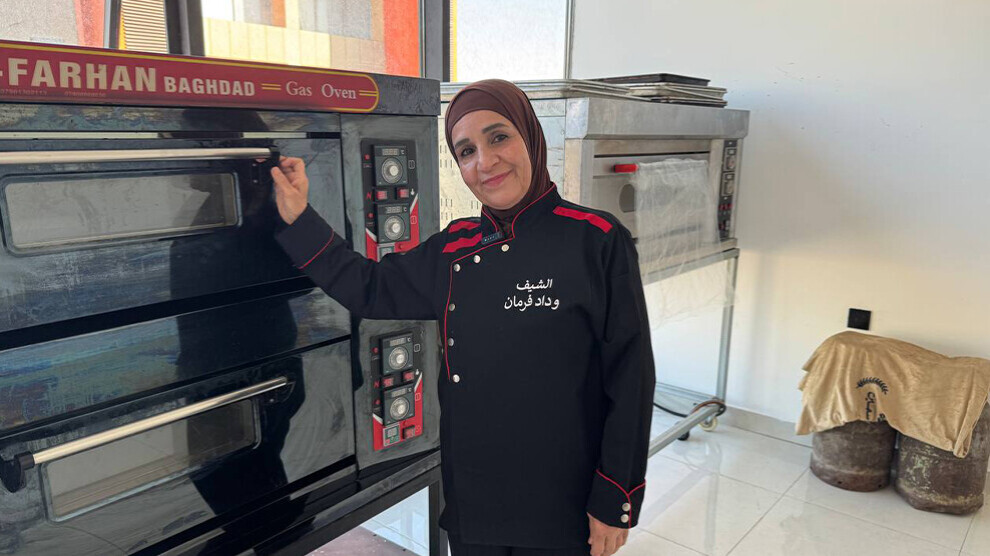
Iraq_The journey of therapeutic nutrition specialist and chef wisam Farhan in the field of healthy food was not merely a professional project,but began from a personal experience with illness that led her to search for healthy dietary alternatives, culminating in the establishment of the first laboratory in Iraq specialized in the production of almond flour, under the brand "A Healthy Lifestyle."
Chef Wisam Farhan spoke about the idea behind the project, which was launched after years of health struggles. Her condition was initially diagnosed as a wheat allergy, but precise tests later showed that she did not suffer from gluten sensitivity, but rather from irritable bowel syndrome and sensitivity to certain food products such as yellow corn flour, prompting her to search for alternative dietary solutions.
She added that this experience revealed to her the importance of accurate medical diagnosis, explaining that excessive medication and unhealthy diets negatively impact human health, which drove her to study therapeutic nutrition and specialize in preparing healthy foods.
She explained that all of the laboratory's products use almond flour as an alternative to white flour, after peeling and grinding almonds within the laboratory, to produce a variety of healthy baked goods and pastries. She affirmed that all products are prepared daily to ensure their quality and that they are free from gluten, refined sugar, and hydrogenated oils.
She noted that the laboratory's products target diabetic patients, those with wheat allergies, high blood pressure patients, as well as those wishing to follow a healthy diet. She pointed out that she uses high-nutritional-value ingredients in her products, such as flax seeds, chia seeds, and pumpkin seeds, in addition to offering healthy recipes prepared according to each patient's health condition and in coordination with their treating physician's instructions.
A Project for Health
Wisam Farhan explained that her actual start in the field of healthy food was during her stay in Turkey, where she worked on preparing healthy alternatives for bread and pastries using barley and oat flour. Most of her customers were Iraqis residing there, particularly patients with diabetes, high blood pressure, cancer, and children with autism, before she returned to Iraq with the aim of spreading the culture of healthy food and helping patients.
She affirmed that she was keen to develop her scientific expertise by obtaining a number of certificates and specialized courses, including a diploma in therapeutic nutrition accredited by the British Institute in Jordan, an American Board certificate, as well as professional certificates in healthy culinary arts, in addition to receiving many medals and certificates of appreciation. The latest was registering her trademark with the Ministry of Industry and Minerals, making her the first Iraqi chef to obtain a trademark for a laboratory specialized in producing healthy foods.
She noted that the majority of her clients are women, especially those with diabetes, high blood pressure, polycystic ovary syndrome, and insulin resistance, in addition to cancer patients and those with food allergies. She emphasized the importance of regular check-ups, early detection of breast and uterine cancer, and following a healthy lifestyle to maintain health.
Challenges and Determination
Regarding the most prominent challenges, Wisam Farhan explained that the scarcity of raw materials for healthy food production in Iraqi markets poses an obstacle to the expansion of this sector, as she is forced to import materials such as quinoa and some supplies for gluten-free product manufacturing from European countries, which raises production costs.
She concluded her remarks by emphasizing the importance of avoiding fast food, adopting healthy home-cooked food, engaging in physical activity, maintaining regular sleep, and not taking dietary supplements or medications except after consulting a physician and undergoing necessary tests, affirming that true investment begins with preserving human health.