
Amid the Rise in Divorce Cases... Iraqi Women Demand a Review of the Family Qualification and Reform System
Women activists and advocates confirmed that the rise in divorce cases in Iraq is linked to a set of social, economic, and family factors, foremost among them the deterioration of living conditions and high unemployment rates, as well as early marriage.
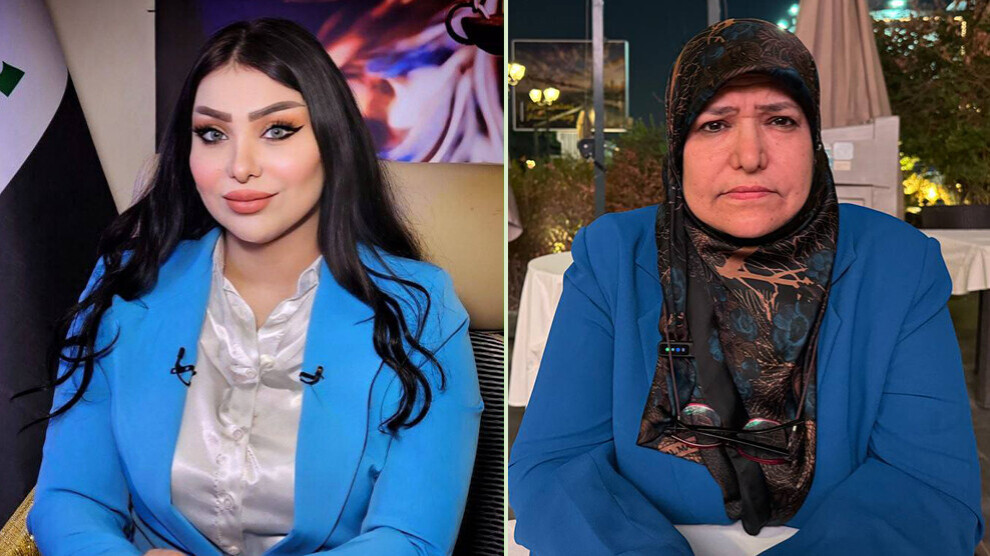
RAJAA HAMID RASHID
IRAQ_amid the continued rise in divorce rates, activists believe that the real treatment does not begin in the coutroom, but from improving economic conditions, providing effective family reform mechanisms, as well as ensuring marriages are legally registered and protecting the rithts of family members.
Divorce cases have escalated in Iraq in recent years, amid multiple causes leading to them. According to official statistics, the month of August 2026 recorded 5,775 divorce cases, at a rate of one case every eight minutes, which reflects the widening of the phenomenon and its need for treatment that goes beyond dealing with its results to searching for its social and economic roots.
Dr. Bushra Al-Zuwaini, concerned with women's affairs, attributed the rise in divorce cases to a set of variables that have occurred in Iraqi society, foremost among them the transformation in the system of values and social customs.
She said that divorce was previously one of the limited cases within Iraqi society, whether when the woman requested it or the man proceeded with it. However, the social transformations that society witnessed, alongside rapid openness and the spread of social media, made the decision to separate easier for some spouses.
She added that some people enter married life without possessing sufficient ability to bear its responsibilities, then find in divorce a quick exit at the first crisis, instead of trying to address differences and search for solutions. She noted that social media has become an additional factor in exacerbating marital disputes, especially with the widening use of mobile phones and the increasing problems associated with them.
The Economy and Family Intervention
Bushra Al-Zuwaini explained that economic pressures, unemployment, and living with the husband's family represent influencing factors in the stability of married life, especially when cohabitation is accompanied by continuous interventions in the details of the relationship between the spouses.
She explained that family intervention can be positive when it aims at reform and containing disputes, but some interventions may push toward separation, by giving hasty advice such as "divorce her and be done with it," which reinforces a culture of taking divorce lightly.
She noted that some families still view marriage as a means of "covering and protection," so they push their children into it at an early age, without ensuring their ability to bear its responsibilities. The couple may discover after a short period that married life is radically different from the image associated with the wedding ceremony and celebratory appearances, and that it is based on commitment, understanding, and bearing responsibility.
Bushra Al-Zuwaini confirmed that divorce does not necessarily mean the end of problems, but may be the beginning of another series of obligations, especially in the presence of children, and the resulting alimony, lawsuits, judicial procedures, and social and psychological consequences.
Pre-Marriage Qualification Is a Necessity
Bushra Al-Zuwaini believes that confronting the rise in divorce rates requires a greater role from the state and concerned institutions, by establishing specialized institutions and programs to qualify those about to marry, similar to experiences applied in a number of countries.
She stressed the necessity of educating men and women about the nature of married life and its requirements, and enhancing the concepts of understanding, sincerity, partnership, and bearing responsibility. She explained that the existence of disputes within the family is natural, but dealing with them should not begin with searching for divorce as the first solution.
She pointed out that some divorce cases reaching courts begin with disputes that appear simple, such as a dispute over household expenses, a meal, or the intervention of a family member, but they may worsen if dialogue and reform intervention are absent.
She stressed that building awareness of the responsibility of marriage represents one of the most important paths of treatment, saying that the family is an institution that needs qualified individuals to manage it, and that preparing those about to marry for this responsibility can contribute to reducing many disputes. She called for enhancing the role of families in positive reform, and seeking the help of people of goodness and wisdom from both sides of the spouses before reaching the decision to separate, especially in cases where disputes are treatable.
Activating the Role of the Social Researcher
She stressed the importance of activating the role of the social researcher in courts, and giving them greater space to intervene in family cases. She noted that she was able, by virtue of her work in the field of women's affairs, to contribute to reforming a number of marital disputes individually.
She noted that there is a need to improve the environment in which family disputes are handled inside courts, by providing rooms dedicated to understanding and reform between spouses, and benefiting from the experiences of other countries, including Jordan, which includes places dedicated to dealing with such cases, alongside the presence of specialized social researchers.
She believes that providing such capabilities can give spouses an opportunity for dialogue away from the atmosphere of judicial dispute, and may contribute to containing some disputes before they turn into final decisions of separation.
Marriage Outside Courts Deprives Them of Their Rights
For her part, lawyer Israa Al-Khafaji confirmed that family intervention, economic pressures, and the difference in the social environment between spouses are among the most prominent factors that may lead to the exacerbation of disputes. She noted at the same time another issue that does not receive sufficient attention, represented in cases of marriage and divorce outside courts.
She explained that the failure to register marriage legally deprives many women of their rights, as a result of the absence of the official document proving the marital relationship and the resulting rights and obligations. "Unstudied marriage, especially the marriage of minors or the union of persons who have not reached a sufficient level of maturity and ability to bear responsibility, represents another factor in the rise in the likelihood of divorce." She confirmed that the criterion for a successful marriage should not be limited to reaching a certain age, but must also be linked to the extent of a person's psychological, social, and economic readiness to bear the responsibility of forming and managing a family.
Stricter Controls Before the Marriage Contract
She stressed the necessity of setting clear controls and conditions for the marriage contract, so that proceeding with it is not based on momentary desire or social pressures, but on actual readiness to bear the responsibilities resulting from forming a family.
She said that the existence of prior procedures and conditions can contribute to reducing cases of unstudied marriage, especially the marriage of minors, or marriage in the absence of the ability to secure the minimum living requirements. She noted that addressing this phenomenon requires achieving a balance between the right to marry and the necessity of ensuring the availability of basic components for family stability, while enhancing legal and social awareness among those about to marry.