
"Jannat, Lalla, Aziza"... Names that tell stories of strength, beauty, and popular identity
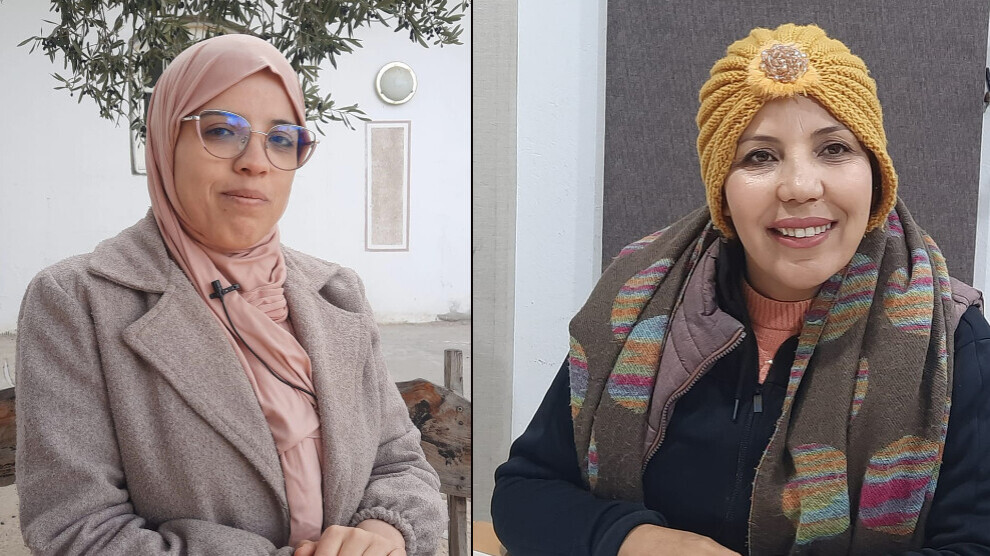
Two Tunisian researchers say names like Jannat, Lalla, Aziza, Massiya, Khadra are symbols of identity, beauty, dignity, blessings, keeping women present in history and memory.
Ikhlas Hamrouni
Tunisia — In Kasserine, Gafsa, Sidi Bouzid, and other interior regions of Tunisia, women's names, especially those of elderly women, carry more than just a sound to call out. They are gateways to a deep-rooted collective memory and the stories of generations of women.
Names like Jannat, Lalla, Aziza, Massiya, and Khadra were not chosen randomly. They were inspired by nature and daily experience, becoming symbols of identity, beauty, and social value, witnessing the tales of grandparents and marking a sense of belonging to a community that has preserved its cultural heritage despite the changes of time.
An integrated symbolic system
In this context, researcher in oral heritage Souwar Qahiri says that talking about women's names is talking about an integrated symbolic system. "In the past, names were not chosen haphazardly. Field research shows three fundamental connections governing name choice: beauty, blessings, and events."
She explains that the first connection was linked to beauty, as women's names were inspired by nature and everything symbolizing grace and splendor. Names like Ghazala (gazelle), Fidda (silver), Fujra, Naama, and Khaira were not merely descriptive but expressed beauty. Sometimes they were inspired by a tree, a fruit, or a beautiful scene, such as Rommana (pomegranate), Zaytouna (olive), and Qamra (moon).
People believe that a beautiful name brings good omens to a girl. Time was also present in naming; a girl born at dawn was named Fujra, as a symbol of light and beginning, while names like Saadiya, Baraka (blessing), or Barkana spread, all associated with good fortune.
According to her analysis, the second connection highlights blessings and sustenance, as many names were inspired by blessed times and people, such as Ramadan and Eid for men. From this context emerges the name Jannat (Gardens/Paradise), which combines religious connotation derived from paradise and social connotation linked to goodness, giving, and fertility, making the woman bearing the name a symbol of goodness and blessing in popular memory.
The third connection is the event. Souwar Qahiri explains that the name is inspired by a specific incident or special circumstance. A child might be named after rain, light, Eid, or even major events, such as naming a girl born during the revolution "Tunis Al-Hurra" (Free Tunisia). Naming after a mother, grandmother, or a dear person was also common, ensuring the continuity of family memory across generations.
She adds, "Among the names that hold this symbolic and aesthetic dimension, names of strength emerge such as Zaara, Mahra, and Akri." Souwar Qahiri explains that the name Akri is given to a woman of extreme beauty, and thus the name grows with the woman and becomes part of her identity, perhaps even elevating her status beyond her natural beauty.
Woman's dignity and status
For her part, researcher in oral heritage Hamida Amri affirms that women's names in the collective memory were never meaningless; they were linked to a woman's dignity, status, and social authority. She adds that names like Zaara express a strong, bold woman who has a say. This is a female model strongly present in folk tales.
Hamida Amri dwells at length on the name Jannat, considering it a clear example of the intertwining of religious and social connotations. She says, "In folk tales, Jannat does not appear as a secondary character but as a central woman, as in the tale of 'Hamam Al-Sabaya' (The Bath of Young Women), where her seven sons are known as the sons of Jannat, not the sons of the father, indicating the strength of women's presence in society." Moreover, it is Jannat who, through her prayer, restored water to a dried-up well, wishing goodness for everyone, highlighting women's role and wisdom in daily life.
In the context of tales, Hamida Amri also evokes other names like Massiya (diamond). In the tale of "The Girl Who Lost Her Seven Brothers," the heroine bears a name derived from diamond, signifying value and rarity. Although the brothers appear at the end of the tale, Massiya remains the primary heroine because the name itself carries the meaning of excellence and distinction.
She spoke about other names like Al-Afiya (well-being), given to a girl as a plea for life, as people say, "Name her Al-Afiya so that death does not know her." And names like Qalaiya or Aljiya, associated with the names of "righteous female saints." Women who lost their children would visit these saints and vow to name their next daughter after them, believing the child would live. Also the name Jaziya (Al-Hilaliya), whose story everyone knows from plays and series that have portrayed it in many ways, but the heroine's name remained Jaziya out of respect for her status and history.
She says, "A woman's name reflected her status in society. When Aziza is said, it means a woman of value, dignity, and love. The name Lalla symbolized respect, status, and solemnity. When Khadra (green) is mentioned, the meanings of life, fertility, and giving manifest. The name Massiya symbolizes value, rarity, and supreme beauty."
Hamida Amri concludes that women's names refer to a clear Arab, Amazigh, and Islamic reference. Despite the impact of globalization and technology, names like Fatima, Aisha, Khadija, and Zahra remain strongly present, while some old names like Khadra have become rare due to changing social tastes and the emergence of a logic of selection.
Both researchers, Souwar Qahiri and Hamida Amri, agree that women's names in Tunisian popular memory are carriers of meaning, value, beauty, and strength. Each name, whether Jannat, Lalla, Aziza, Massiya, or Khadra, reflects women's status in society, holds the memories of generations, and testifies to the cultural, religious, and social identity of communities.