
Displaced women carrying life amidst attacks... suffering inside shelters in Lebanon
"Humanitarian challenges grow in Lebanon's shelters: pregnant women face severe healthcare shortages and unsafe conditions, urgently needing strengthened protection and care."
Fadia Jumaa
Lebanon — As the scope of attacks expands and continues, and displacement waves increase, many stories of displacement and anxiety are accumulating in shelters in Lebanon. However, the suffering of pregnant women remains the most fragile amid the crisis. Between fear for the fetus and limited resources, the journey of pregnancy turns into a daily test of survival.
Amidst attacks and displacement, thousands of pregnant women find themselves facing a double threat: the danger of shelling on one hand, and the lack of adequate healthcare on the other. Nearly 14,000 displaced pregnant women are now living under severe humanitarian pressure that threatens their lives and the lives of their children.
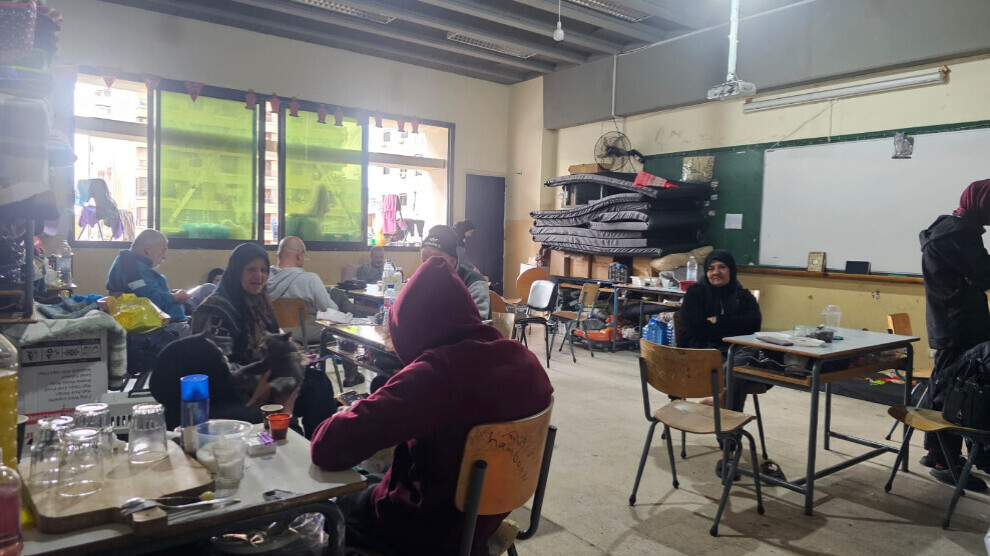
Malka Al-Halabi, legal protection coordinator at the Union of Development and Relief Associations, says from inside a shelter in Sidon that relief teams have been present since the first day of the attacks. The shelter has received about 1,300 displaced people from southern Lebanon, including a large number of children, women, and the elderly, in addition to pregnant women who need special care. She noted that coordination is underway with medical and humanitarian associations to provide necessary guidance for pregnant women under these difficult circumstances.
She explained that her experience in volunteer work during past and current wars has brought her closer to the suffering of pregnant women. She pointed out that her role is not limited to securing basic assistance such as food and medicine, but also includes legal awareness, especially since international and humanitarian laws, including the Geneva Conventions, stipulate special protection for pregnant women during armed conflicts.
Malka Al-Halabi warns against the continued targeting of civilians, even though they are not military targets, citing recent incidents that affected pregnant women. She also expresses serious concerns about the deterioration of the humanitarian situation if the war is prolonged or aid is cut off, which could lead to dangerous scenarios affecting women's lives, especially given the lack of medical care.
She concluded by affirming the role of associations in securing the minimum level of protection and support inside shelters, and working according to United Nations resolutions related to women, peace, and security, while stressing the need to enhance the protection of women during conflicts.
A harsh and complex experience
Inside the shelter, Umayra Bashir, a displaced pregnant woman in her seventh month, recounts her daily suffering. She indicates that despite receiving some assistance, it remains limited and insufficient to meet her needs as a pregnant woman or the needs of her family.
She explains that she is financially unable to perform necessary medical tests amid difficult living conditions, as she is forced to sleep on only two mattresses inside the center. She states that the psychological pressure is immense, accompanied by continuous physical pain, making the experience of pregnancy during displacement even harsher and more complex.
As attacks continue, protecting pregnant women remains an urgent humanitarian priority — not only through aid, but by stopping the targeting of civilians and ensuring the application of international laws that guarantee their right to life and dignified care.