
"Wadjda": A Social Perspective on the Reality of Girls in a Conservative Society
Wadjda explores the lives of girls in a conservative society, where a young girl's dream of owning a bicycle becomes a powerful symbol of freedom, resilience, and women's pursuit of opportunity.
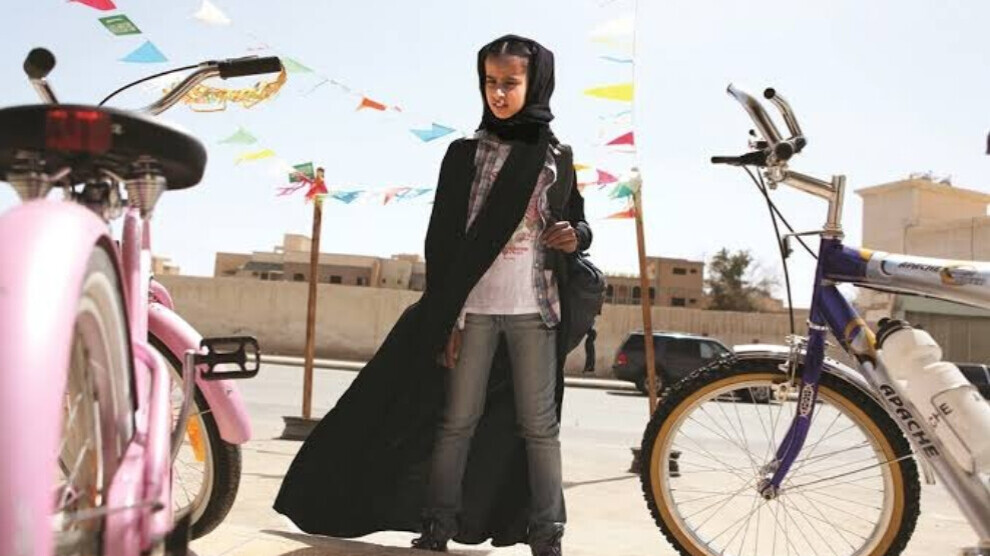
News Center — Discussions surrounding women's freedom in conservative societies continue to grow, as stories emerge of girls striving to claim greater space for choice and mobility within social systems that limit their public roles, turning their everyday aspirations into symbols of broader social change.
Directed by Haifaa Al Mansour, Wadjda offers a critical portrayal of the restrictions imposed on women in Saudi Arabia through a simple yet deeply symbolic story. These restrictions are embodied in the dream of a ten-year-old girl who wants to ride a bicycle—an activity considered socially unacceptable for girls. Wadjda's desire to own a bicycle evolves from a childhood wish into a symbol of freedom, reflecting a broader social system that limits women's presence in public life.
One of the film's defining elements is its portrayal of resistance. Rather than openly rebelling, Wadjda attempts to achieve her goal by working within the existing system and its rules.
Meanwhile, Wadjda's mother, as an adult woman, has a more complex relationship with that system. She is compelled to comply with prevailing social norms while quietly supporting her daughter's desire for freedom. Her acceptance of existing restrictions, alongside her encouragement of her daughter, illustrates how women's experiences differ across generations and how social change often unfolds gradually.
The film's use of setting is also noteworthy. Schools, homes, and streets visually demonstrate the restrictions placed on women's freedom of movement, while the strict rules enforced at school reveal how gender roles are instilled in girls from an early age. In contrast, Wadjda's actions—listening to music, wearing sneakers, and wanting to compete with her male friend—represent small yet meaningful acts of defiance against these social expectations.
Wadjda is a powerful cinematic work rich in symbolism. Through a simple story, it offers a profound exploration of women's freedom. Wadjda's pursuit of a bicycle is not merely a childhood dream but also an expression of her desire for mobility, independence, and control over her own future. In doing so, the film invites audiences not only to reflect on the realities of women in a particular region but also to reconsider the meaning of freedom from a universal perspective.