
Violations Escalate Amid Reports of Flogging, Arrests, and Executions in Iran
Iran is witnessing escalating rights violations, including flogging sentences, widespread arrests, denial of medical care, imprisonment of Baha’I citizens, and multiple executions.
News Center_Violations against citizens in Iran remain a recurring issue in rights coverage, as international and local reports indicate the continuation of multiple patterns of restrictions on public freedoms and documented cases affecting fundamental civil rights.
In recent days, reports have emerged of the implementation of flogging sentences against two Kurdish women, the continued detention of a number of citizens and activists, the denial of medical services to prisoners, and the issuance of prison sentences against Baha'i citizens in Iran. At the same time, reports have been published on the execution of at least eight prisoners.
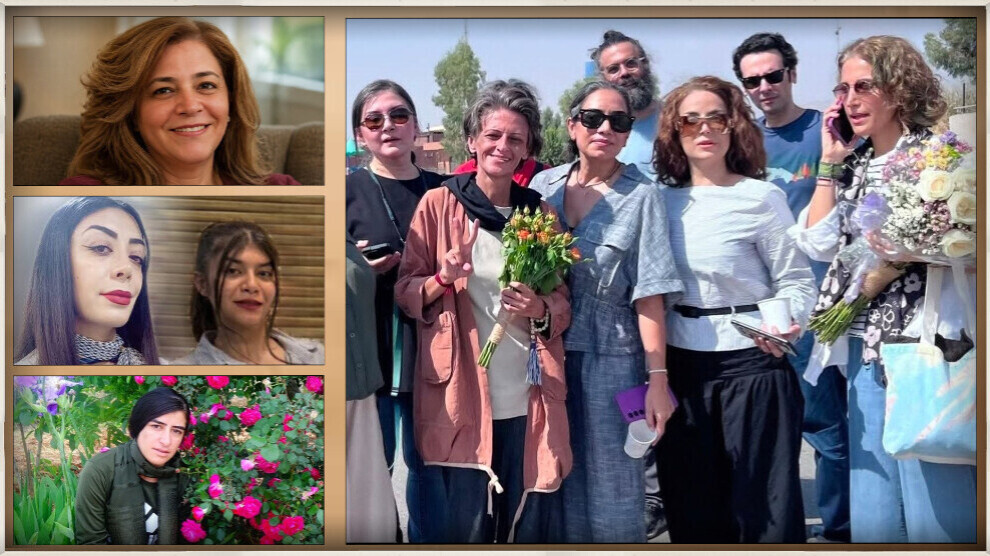
The flogging sentence was carried out against Neda Dehdejani and Setayesh (Behnoush) Sarabi, two Kurdish women who were among those arrested during the protests that swept the country at the beginning of this year. After the sentence was implemented, they were transferred to Sanandaj Central Prison.
In recent days, at least 20 citizens and activists have been arrested and their fate remains unknown. Human rights activist Shirin Masoudi was also arrested in Mahabad by intelligence forces without an arrest warrant.
Several regions in Iran continue to witness ongoing arrests affecting citizens from various backgrounds. Sara Rashidi Kashlanlu has faced an unknown fate for over seven months, with no clarification of her legal status or place of detention. Arrest operations continue in other cities, while a number of detainees remain in prisons or unknown locations amid the absence of official information about their detention conditions or the charges against them.
Pressure Continues
Roya Thabet, a Baha'i citizen, is being denied medical services and sick leave despite her deteriorating health condition. In contrast, Sepideh Abtahi, a documentary filmmaker and editor, was released from Ghezel Hesar Prison, while Katayoun Riahi announced that she had been summoned to the Public Prosecutor's Office for Culture and Media to complete legal procedures related to her case.
Raids on Baha'i Families' Homes
Security forces in plain clothes raided the homes of three Baha'i families in Isfahan simultaneously, based on a court order. Officers conducted thorough searches and confiscated personal and family belongings, in addition to closing a shop belonging to these families. In a related context, the Sari Revolutionary Court issued prison sentences totaling 26 years and 165 days, along with 76 years of social rights deprivation, against 12 Baha'i citizens, in connection with files related to their religious affiliation.
Execution of Sentences
Recent days have witnessed the implementation of several death sentences against prisoners in a number of Iranian prisons. A death sentence was carried out against a female prisoner in Karaj Central Prison, with similar sentences applied in Maku, Adelabad, and Shiraz prisons. An execution was also carried out against one of the detainees from the protests. Executions included prisoners in Semnan, Dehdasht, Dezful, and Ilam prisons. It was reported that two executions in Semnan prison were carried out without prior notification to the prisoners' families, amid ongoing rights concerns over the lack of transparency in execution procedures.
These cases—from the flogging of women and arrests of citizens to the denial of medical treatment and the execution of death sentences—point to an escalation of human rights violations in Iran. This trend has continued despite reactions from human rights organizations. Critics believe that the response of local and international institutions has largely been limited to issuing statements and condemnations, and has not led to effective practical measures to halt this trend.