
UNICEF: Rising Tensions in the Middle East Threaten to Push Millions of Children into Poverty
UNICEF warns Middle East tensions and shipping disruptions are worsening poverty for families, with rising costs pushing millions more children into poverty.
News Center — Escalating conflicts in the Middle East, combined with mounting economic pressures, are placing children in a cycle of increasing vulnerability, as livelihood disruptions and rising prices expand the scope of poverty and reduce opportunities for education and protection.
UNICEF has warned that approximately 23.4 million additional children could be pushed into poverty by the end of this year, as continued tensions in the Middle East and the resulting shipping disruptions continue to have a devastating impact on children that may be irreversible.
This was stated in a report issued by the organization titled "The Impact of the Middle East War on Children from Financially Poor Families," based on data from more than 167 countries, explaining that rising food and energy prices and the widening economic shocks resulting from escalating fighting are weakening families' purchasing power.
The report presents two potential poverty scenarios. In the bad scenario, a moderate economic shock pushes an additional 18.3 million children into financial poverty. In the very bad poverty scenario, assuming the war continues and stronger and longer-lasting disruptions occur in prices and economic activity, an additional 13.4 million children would be pushed into financial poverty.
UNICEF Executive Director Catherine Russell stated that children are bearing the heaviest burden of the escalating conflict in the Middle East, affirming that the continuation of the situation will exacerbate consequences for poor families. She noted that the rapid rise in living costs is depriving many children of food and education, while economic shocks increase deprivation levels among those already living in fragile conditions, potentially leaving lifelong effects.
According to the report, the largest shares of global increases in financial poverty are concentrated in Asia and Africa, which together account for approximately 80% of total increases. Both continents have high baseline poverty rates and are highly vulnerable to external shocks.
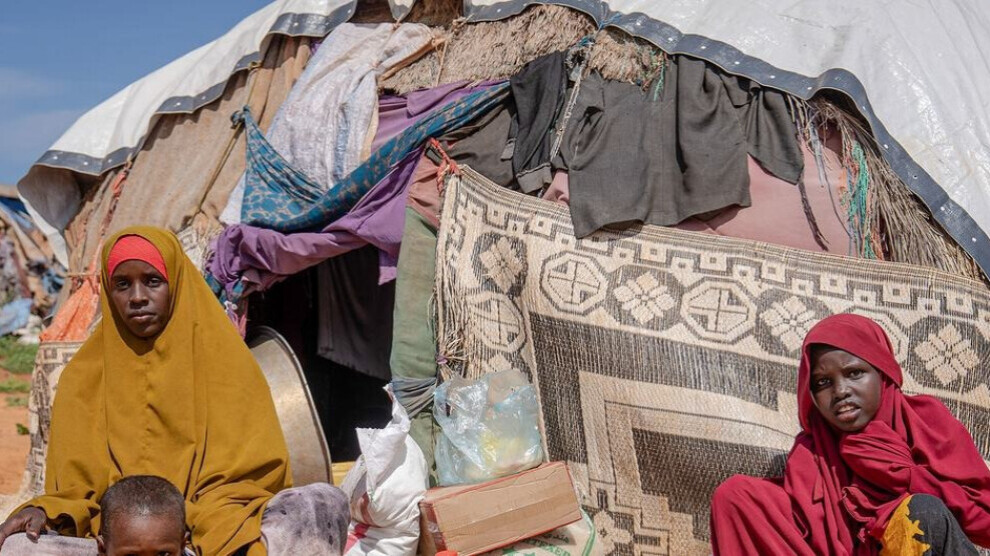
In Somalia, the Middle East crisis has had immediate consequences, with fuel prices in Mogadishu more than doubling within a few days of the escalation, raising the prices of food, water, transportation, and humanitarian aid in a country already suffering from a worsening malnutrition crisis.
The report warned that the war's repercussions threaten to undo years of global progress, affirming that in the absence of urgent and targeted policy responses, the crisis will push millions of children into further regression, widening the poverty gap and making family recovery more difficult.
UNICEF called on national governments, donors, and international financial institutions to adopt urgent measures to protect children from the worst effects of the crisis. The organization's Executive Director noted that if international inaction continues, the intersection of conflict, economic disruption, and rising prices will drive millions of children into deeper poverty, threatening to erase hard-won development gains achieved in recent years.