
UNHCR: 117.3 Million People Forcibly Displaced Worldwide This Year
The UN Refugee Agency faces one of its most severe crises, as the number of forcibly displaced people worldwide in 2025 is estimated at approximately 117.3 million—equal to the population of the Democratic Republic of Congo.
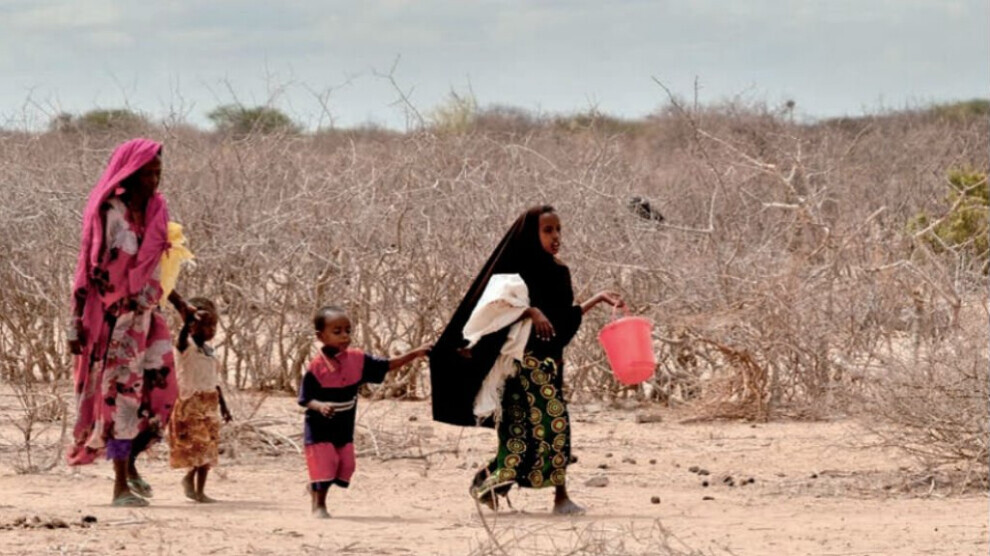
News Center — Armed conflicts, economic crises, and the impacts of climate change are forcing populations to migrate, creating profound humanitarian consequences—from increasing pressures on host communities to weakening the international system’s ability to respond—amid warnings of a prolonged global refugee crisis.
The United Nations High Commissioner for Refugees (UNHCR) has reported facing one of the most serious crises since its establishment, with the number of forcibly displaced people worldwide in 2025 reaching approximately 117.3 million, equivalent to the population of the Democratic Republic of Congo.
The UNHCR noted that this figure represents nearly double the humanitarian tragedy of just a decade ago, alongside a sharp decline in international aid funding. The agency has launched a comprehensive review of its refugee strategies in light of escalating armed conflicts, the politicization of asylum laws, stricter immigration policies in host countries, and reduced financial resources to support refugees.
Over the past ten years, conflicts have intensified in Syria, Yemen, Sudan, Ukraine, and Myanmar, while instability has returned to large parts of sub-Saharan Africa. Climate change has compounded the disruption of livelihoods, pushing populations to migrate.
The Lake Chad Basin exemplifies this impact, being among the regions most affected by climate change over recent decades. The shrinking of Lake Chad, once one of the largest freshwater lakes in the world, has triggered deep environmental and economic transformations, directly affecting millions in Chad, Cameroon, and Niger, and sparking large-scale displacement.
Previous reports by the Arab Barometer Network indicate that nearly one-third of Arab populations express a desire to migrate abroad. Motivations include worsening economic crises, political pressures, security concerns, and limited educational opportunities, reflecting a growing lack of confidence in achieving domestic stability in the near term.
The situation is further complicated by rising anti-foreigner rhetoric and declining international commitment to the right to asylum, particularly evident in the United States. In 2025, the U.S. government reduced the number of refugees allowed entry to 7,500, down from around 100,000 in previous years. This drastic decrease reflects a policy shift and raises concerns about the international system’s ability to meet the growing needs of refugees amid escalating global challenges.