
UN Warns Sudan Conflict's Impact Will Last for Years
UN warns Sudan's conflict will have long-lasting consequences as fighting intensifies, with over 13 million displaced and two-thirds of the population in urgent need of humanitarian aid.
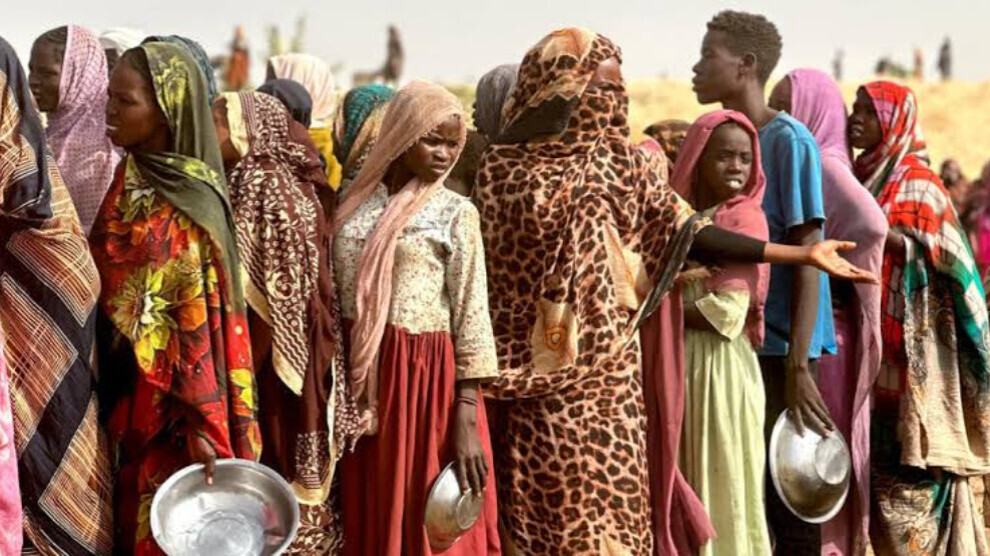
News Center— The outbreak of conflict in Sudan in April 2023 opened the door to one of the most dangerous crises the country has experienced in its modern history, as tensions between the army and the Rapid Support Forces turned into violent confrontations that led to heavy human losses and widespread collapse of basic services.
Rosemary DiCarlo, UN Under-Secretary-General for Political and Peacebuilding Affairs, warned yesterday, Monday, August 24, that the repercussions of the ongoing conflict in Sudan will remain for many years to come, affirming that the scale of the catastrophe "demands collective shock," and that the Sudanese people can no longer bear further waiting amid worsening humanitarian suffering and expanding violence.
She explained that fighting continues on multiple fronts across the country, amid escalating and widening conflict, noting that approximately 13 million people have been forced to flee their homes, including 8.7 million internally displaced across all 18 states.
She also noted that the UN Office of the High Commissioner for Human Rights has documented the killing of nearly 1,400 civilians between January and June of this year, including 1,100 people killed as a result of drone attacks.
The UN official said that recent weeks have seen intensive use of drones, along with limited ground clashes in areas less affected by the rainy season, where military operations have been concentrated in North Kordofan, West Darfur, North Darfur, and Blue Nile. She noted the decision adopted by the Human Rights Council in July, which expressed grave concern over the risk of widespread atrocities by the Rapid Support Forces in and around the city of El Obeid.
She added that fighting near the Sudan-Ethiopia border in Blue Nile State raises serious concerns, affirming that one of the most dangerous aspects of the conflict is its growing complexity, as the nature of weapons used indicates continued external support for both conflict parties.
Two-Thirds of the Population in Need of Humanitarian Support
For his part, the UN Under-Secretary-General for Humanitarian Affairs and Emergency Relief Coordinator stated that two-thirds of Sudan's population is in urgent need of life-saving humanitarian support, noting that humanitarian workers are doing everything they can to reach those in need, but this requires the protection of civilians and de-escalation.
He affirmed that relief teams are working amid frontlines, drone attacks, insecurity, and bureaucratic complexities. He added that the UN had reached approximately 11 million people with at least one type of assistance by mid-year—equivalent to 52% of the priority group. Despite progress in delivering food aid, efforts in education, health, shelter, and water remain behind schedule.
The UN official expressed optimism about the pledges made during the Berlin Conference in April, adding that what has been received so far does not exceed 40% of the $2.87 billion required for the humanitarian response plan.