
UN Warns: Escalating Violence and Fuding Shortfall Threaten Millions in Afghanistan
The United Nations warned of risks threatening civilians in Afghanistan due to escalating cross-border violence and explosions of war remnants, confirming that critical relief funding crisis is forcing its partners to suspend vital humanitarian aid.
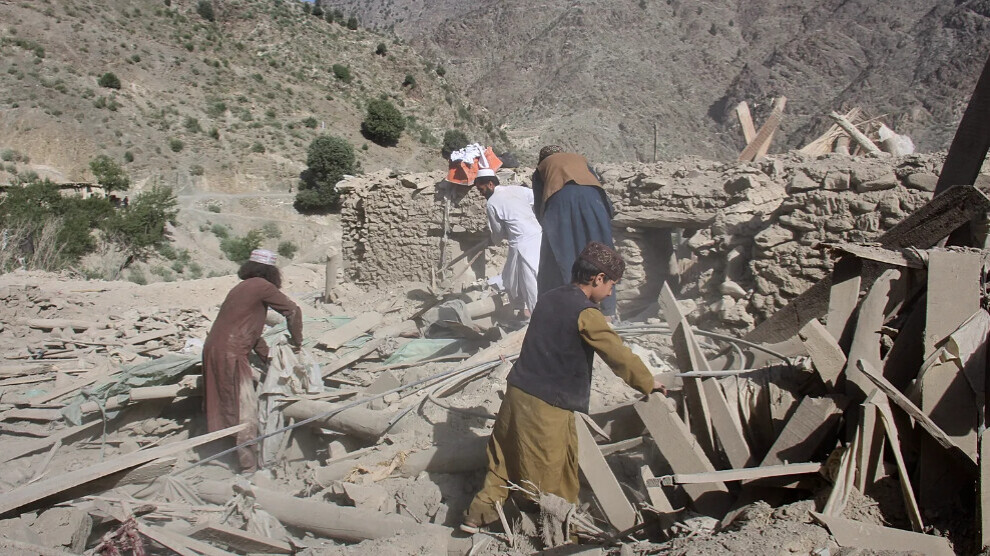
NEWS CENTER_ The border areas between Afghanistan and Pakistan witnessed a dangerous escalation in violence and cross-border clashes, resulting in deaths and injuries among civilians, amid an exchange of accusations between Kabul and Islamabad regarding sovereignty violations and targeting populated areas.
The mutual attacks between Pakistan and Afghanistan continue to threaten the lives of civilians and cause casualties, the latest of which was yesterday, Thursday, the first of October. In this cotext, the United Nations Office for the Coordination of Humanitarian Affairs(OCHA) confirmed that the ongoing tensions and intermittent acts of violence on the shared border between the two countries continue to place the civilian population in harm’s way.
The United Nations Assistance Mission in Afghanistan said that at least ten civilians were killed, most of them children, and others injured in airstrikes carried out in Kunar and Helmand proving it noted that during the current year it documented more than 11000 deaths and injuries among civilians in Afghanistan due to cross=armed violence.
The Mission urged de-escalation, deialogue, and respect for international law to avoid inflicting further harm on civilians, stressing the necessity of ensuring their protection.
Humanitarian operations in Afghanistan face an acute funding crisis, as only 30% of the total value of the response plan and humanitarian needs has been securd.
The United Nations Office for the Coordination of Humanitarian Affairs explained that this significant financial shortfall forces international partners to suspend vital and severa areas,leaving thousands of families in direct confrontation with food insecurity and successive climate shocks, and severe deprivation of access to basic services.