
UN Report Documents Mass Killings and Systematic Rape of Women in North Darfur
A UN fact-finding mission has warned of escalating atrocities in El Fasher and El Obeid after documenting mass killings and systematic sexual violence against women and girls, describing as genocide.
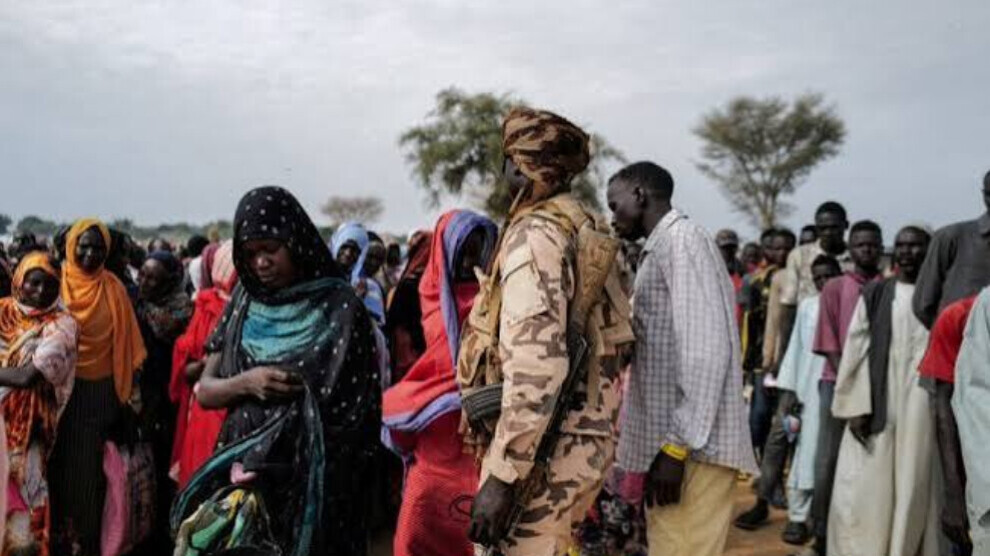
News Center — The conflict in Sudan continues to leave widespread violations against civilians amid escalating clashes between the army and the Rapid Support Forces (RSF), worsening humanitarian conditions, increasing displacement, and the collapse of essential services.
The United Nations Independent International Fact-Finding Mission on Sudan reported that the RSF carried out "brutal mass killings" and mass rape against women and girls in El Fasher, North Darfur, describing these violations as "clear indicators of genocide."
According to the mission's latest report, investigations revealed additional evidence of widespread violations in El Fasher, including arbitrary arrests, torture, the detention of civilians as hostages for ransom, and enforced disappearances. The findings build on an earlier report that identified signs of possible genocide in the city.
The mission stated that RSF forces committed brutal mass killings, systematic abductions of women and girls, and collective sexual violence, stressing that these violations provide further evidence that acts committed by the warring parties in Sudan constitute indicators of genocide.
The UN mission warned that similar patterns of violations against civilians are currently occurring in El Obeid, North Kordofan, and announced the launch of an urgent investigation into alleged human rights abuses and violations of international law in the city and surrounding areas.
The mission's head said the investigations not only provide evidence supporting conclusions regarding El Fasher but also reflect ongoing efforts to document violations that have devastated communities across Darfur. He warned that patterns recorded in El Fasher—including sieges, attacks on civilian infrastructure, restrictions on humanitarian aid access, and widespread abuses against civilians—represent a serious warning.
The mission called on the international community to take urgent action to prevent further violations in Sudan. It noted that the report comes amid growing concerns over the situation in El Obeid, where more than 500,000 residents and over 100,000 internally displaced people face worsening security conditions, attacks on vital infrastructure, and restrictions on access to basic services.
The United Nations said the UN Human Rights Council adopted a resolution on July 6 expressing "deep concern" over the risk of widespread atrocities by the RSF in El Obeid and surrounding areas, and mandated the mission to conduct an urgent investigation into alleged violations of international humanitarian and human rights law.
The UN emphasized that similar warning signs had preceded large-scale atrocities in other parts of Sudan, calling for immediate measures to protect civilians and ensure accountability, including cooperation with the International Criminal Court. The mission confirmed it would continue investigations and provide regular reports on the situation in El Obeid and surrounding areas to the Human Rights Council and the UN General Assembly.
El Obeid has faced drone attacks for nearly two months, which Sudanese authorities have attributed to the RSF, particularly after strikes targeted the main electricity station, fuel facilities, and several civilian locations, causing casualties.
In May, the United Nations warned of escalating drone attacks in the Kordofan region, stating that they had killed at least 880 civilians between January and April.
The RSF announced its control over El Fasher on October 26, 2025, while local and international organizations reported massacres against civilians.
Since April 2023, Sudan has been engulfed in conflict between the Sudanese army and the RSF, resulting in tens of thousands of deaths and around 13 million displaced people, worsening one of the world's most severe humanitarian crises, according to UN estimates.