
Teacher:The Mother Tongue is the Foundation of Identity and a Fortress for Protecting Kurdish Culture
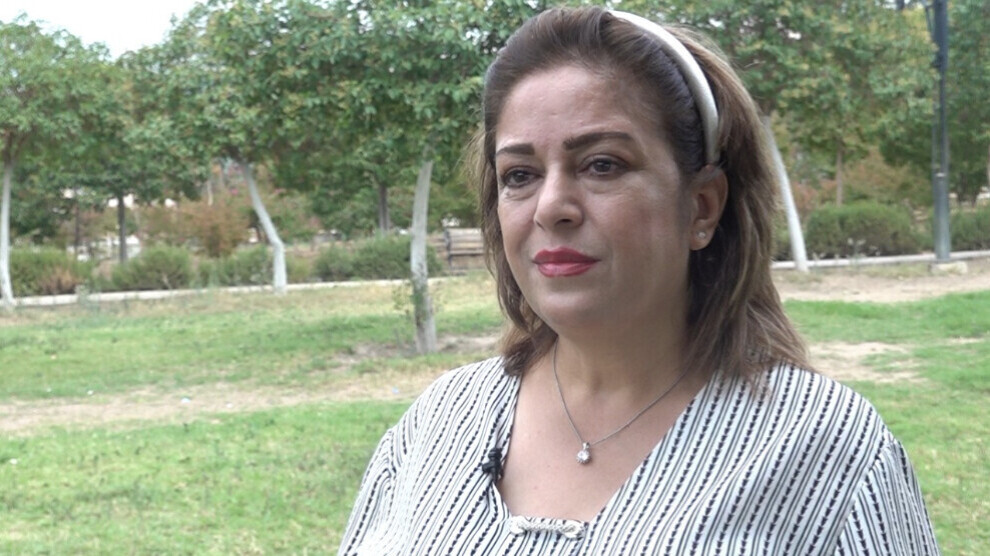
Teacher Nisreen Ahmed said the mother tongue is a fundamental pillar of peoples' identity, history, and culture, stressing Kurdish language preservation is a shared family, school, and societal responsibility.
DARIN RAHIM
SULAYMANIYAH – The mother tongue is not merely a means of communication, but is a fundamental pillar of the identity of peoples, their history, and their culture. Teaching children their mother tongue and enhancing their connection to it is an important step for preserving cultural heritage and transmitting it to future generations.
For the Kurdish people, preserving the Kurdish language represents protecting their identity and social existence, in light of the policies of imposing languages and restricting their use that they have faced. Women, especially mothers, play a pivotal role in this field, as the mother tongue constitutes the first bridge linking the child to their family, society, history, and identity.
"Women Have an Important Role in Transmitting Language Between Generations"
Regarding the importance of the mother tongue, teacher Nisreen Ahmed says: "Language is the identity of every nation, and preserving it is a shared responsibility that begins with the family, as mothers should encourage their children to speak in their mother tongue, whether it is Kurdish, Arabic, or Persian, due to its impact on forming their personality and enhancing their connection to their identity."
She noted that families differ in their level of awareness of the importance of language; while some families are keen to entrench their mother tongue in their children, other families are preoccupied with teaching them multiple languages in light of technological development and the acceleration of knowledge, and this may sometimes come at the expense of their original language.
She confirms that women, especially mothers, play a pivotal role in transmitting language between generations, as the mother tongue represents the first bridge linking the child to their family, society, history, and identity.
"The Kurdish Language Faces Danger"
Nisreen Ahmed stressed the importance of the Kurdish language as a fundamental pillar of identity and culture, noting the sacrifices made for the sake of preserving it, and the necessity of enhancing the Kurdish community's connection to its culture in light of the growing influence of other cultures.
She added that preserving the language is a shared responsibility, requiring the combined efforts of individuals, educational, and media institutions to spread awareness of its importance and protect it from extinction. She stressed the necessity of using it in daily life, and that attention to it should not be limited to Mother Language Day, but should be a continuous practice. "Everyone must bear their responsibility in preserving Kurdish culture, as language is one of the most important components of culture, and the Kurdish mother tongue faces danger at this stage, and therefore we must be extremely attentive."
She also called on fathers and mothers to entrench the Kurdish language in their children from a young age, while encouraging them to learn other languages without abandoning their mother tongue, due to the close connection it represents to their history, culture, and national identity. She confirmed that the continuation of using the language and transmitting it to future generations is a fundamental guarantee for preserving the cultural memory of the Kurdish people.
"Language Is a Shield for Protecting Every Nation"
Nisreen Ahmed stressed the necessity of enhancing the presence of the Kurdish language in children's daily lives, by teaching it to them in schools and encouraging them to learn Kurdish anthems and songs, contributing to entrenching their connection to their mother tongue. She confirmed that learning other languages should not be at the expense of the original language, but should proceed in parallel with it.
She pointed to the influence of foreign cultures on Kurdish society, especially among the youth category, calling for preserving cultural specificity and enhancing awareness of Kurdish identity. She also noted that reliance on other languages in education, while neglecting the mother tongue within the family, may weaken children's connection to their language and affect their ability to use it, evoking the effects of Arabization policies that limited the presence of the Kurdish language in educational institutions.
Teacher Nisreen Ahmed called on the administration and teachers of public and private schools to pay attention to the Kurdish language and make students aware of its importance, warning that the continuation of neglecting it may threaten its survival and transmission to coming generations. She concluded by emphasizing that "language is a shield that protects the identity of peoples, and that the responsibility of mothers lies in planting this shield in the souls of their children, so that they preserve their language, history, and culture."