
Rising Cases of Scabies and Leishmaniasis in Kobani During the Summer Season
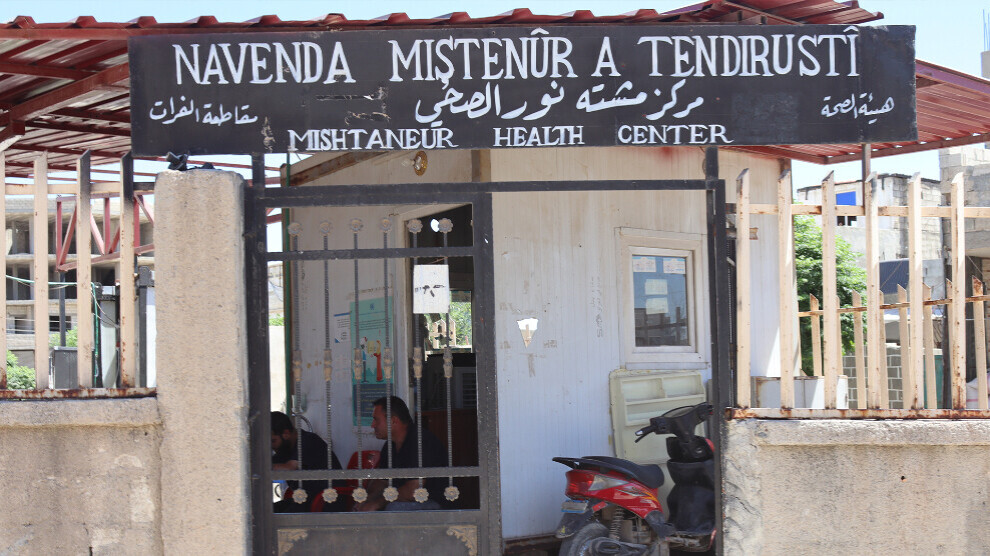
Mashta Al-Nour Clinic in Kobani provides free treatment for seasonal infectious and skin diseases as the city experiences a widespread summer outbreak of scabies and leishmaniasis among local residents.
NOUSHAN ABDİ
Kobani — The city of Kobani in North and East Syria is experiencing a widespread increase in seasonal skin diseases, with growing cases of scabies and leishmaniasis, in addition to several infectious illnesses. Recurrent cases of diarrhea, vomiting, and fever have also been reported among residents.
Mashta Al-Nour Health Clinic in Kobani operates around the clock to respond to the rise in infections, providing treatment and medications free of charge. According to the clinic's statistics, it receives around 15 new cases of leishmaniasis each month, in addition to patients continuing treatment, as well as approximately 50 new scabies cases every month.
Our agency observed a number of patients at Mashta Al-Nour Health Clinic suffering from digestive and skin diseases. In this context, we interviewed one of the clinic's physicians to discuss the current situation of seasonal illnesses during the summer.
Aveen Khalil, a general practitioner at Mashta Al-Nour Clinic, said seasonal diseases are directly linked to weather conditions, noting that summer records a noticeable increase in certain illnesses compared with other seasons. She added that the clinic's medical staff provides treatment to all patients throughout the day.
Khalil explained that gastrointestinal illnesses such as diarrhea and vomiting are widespread during the summer. These infections may be viral or bacterial and affect people of all ages, but they are particularly severe among children, older adults, pregnant women, and breastfeeding mothers. Symptoms include diarrhea, vomiting, and high fever.
Regarding skin diseases, Khalil said their spread increases significantly during the summer due to higher temperatures and the growing presence of insects and flies. Many residents sleep on balconies or rooftops to escape the heat, increasing exposure to insects and the risk of skin diseases, including scabies, which is commonly reported during this season.
She added that leishmaniasis, locally known as the "Aleppo boil" or "one-year sore," is directly linked to the spread of sandflies during the summer, when the insects become more active in hot weather, leading to an increase in infections.
Leishmaniasis typically appears as a hard red sore on exposed areas of the skin that persists for more than three weeks without healing on its own, indicating infection. Khalil stressed the importance of visiting the nearest medical facility to receive appropriate treatment, emphasizing that the disease is not contagious and can be treated effectively.
She explained that prevention depends on one simple but essential measure: using mosquito nets while sleeping outdoors or outside enclosed rooms. The nets prevent sandflies from reaching the body and reduce the risk of infection. Treatment consists of injections administered directly into the lesion twice a week, with a typical treatment course lasting about six weeks, although the duration may vary depending on the patient's response.
According to Mashta Al-Nour Clinic, the center records around 15 new leishmaniasis cases every month, in addition to patients already undergoing treatment.
Khalil also noted that scabies is spreading widely across the region, particularly in crowded areas. She said the presence of displacement shelters in Kobani in recent months has contributed to a significant increase in infections.
She explained that scabies is highly contagious and spreads through direct physical contact or by sharing personal belongings. As a result, one infected family member can transmit the disease to four or five others, especially when people are unfamiliar with preventive measures.
She advised isolating infected individuals in crowded settings, avoiding the use of their personal belongings, and limiting direct contact. She also stressed the importance of seeking prompt medical care and washing the patient's clothing at 60°C to eliminate the parasites.
Khalil emphasized that following medical instructions throughout the treatment period is essential for recovery, noting that treatment usually lasts between seven and ten days.
Mashta Al-Nour Health Clinic receives approximately 50 scabies cases every month. This figure represents individual patients, meaning each case could potentially spread the infection to several family members within the same household.
Khalil concluded by urging the public not to hesitate to seek medical care if symptoms of scabies or other seasonal illnesses appear. She encouraged anyone noticing these signs to visit the nearest health facility without embarrassment, stressing that the recent spread of scabies is not related to poor personal hygiene, as many people believe, but rather to environmental factors such as high temperatures, contaminated water, and the presence of germs and other harmful organisms in the environment.