
Living independently: a dream that collides with social restrictions in the Kurdistan Region
Women living alone in the Kurdistan Region face growing challenges amid weak support and societal rejection. Lacking housing and assistance, demands rise for safe homes and financial support ensuring dignified, independent lives.
SHLER KOYI
KOYA_ In a society like that of the Kurdistan Region, where the residues of traditional culture and the effects of economic crises are still reflected in various aspects of life, the issue of women who live alone_ whether due to separation, the loss of family members, or the death of their husbands_ is one of the most complex and sensitive social issues.
The lack of income and sources of livelihood, alongside society's difficulty in easily accepting women's independence and their ability to live alone, has created harsh conditions for this group. Often, when a woman faces family problems and her family refuses to receive her or take responsibility for supporting her and her children, she finds herself forced to endure various forms of injustice and violence.
"Society does not accept a woman living alone"
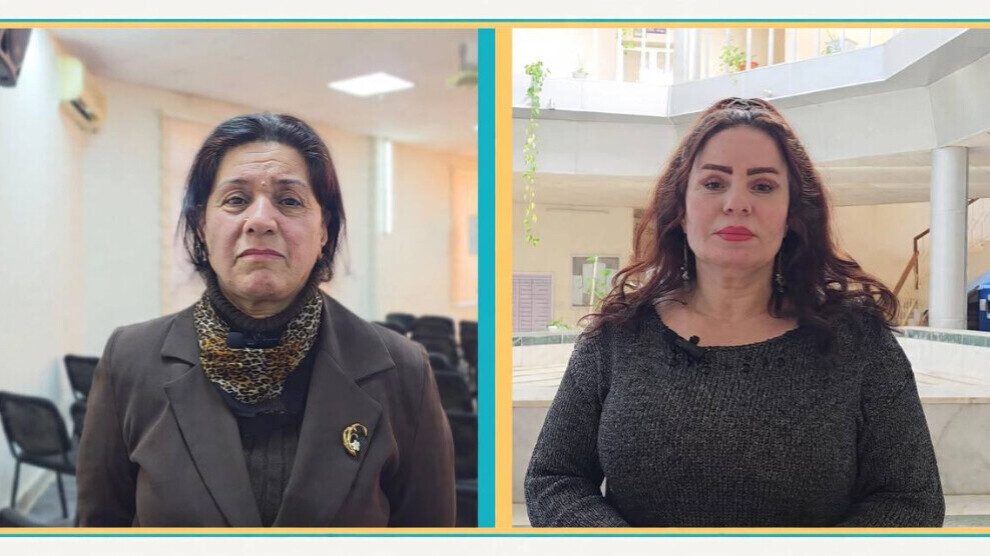
In this context, Suzan Hama Saeed, a specialist in social affairs, explains: "There is no doubt that our country has witnessed many disasters and crises, which has made many women face social problems; some of them may have lost family members, lost their husbands, or separated from them."
She pointed out that "often, society is still not accustomed to the idea of a woman living alone and bearing responsibility for her life and managing her affairs by herself. Some women also suffer from weak financial means and do not possess a place to shelter them."
She added that the Ministry of Labor and Social Affairs in the Kurdistan Regional Government had, over the past years, provided financial assistance to some women who have no income or work and cannot secure their living needs, within the family care project and the social protection network.
She indicated that "this assistance has unfortunately stopped, due to the conditions the Region has gone through and the lack of a budget, which has increased the living burdens on a segment of women and made them unable to manage their lives."
Shelter centers do not meet the needs of independent women
Suzan Saeed pointed out that the Kurdistan Region includes shelter centers in some cities that receive women facing social problems and provide them with temporary shelter until their situations are addressed, noting that places have been allocated for them in juvenile care homes.
She explained that the nature of society still imposes restrictions on women's independence, as living alone is viewed as unacceptable, which pushes the relevant authorities to search for places to shelter them with relatives — whether with a maternal uncle, paternal uncle, or others — instead of providing them with independent housing.
She affirmed that these solutions do not meet the needs of all women, given the social and living difficulties they face, calling on the government to reconsider their situations and provide financial support and adequate housing, ensuring them a safe and dignified life and protecting them from homelessness and exposure to social and economic risks.
She stressed that caring for this group and providing the requirements of a dignified life is a responsibility that falls on the government, and that their situations must receive greater attention within plans and programs concerned with social affairs.
"A major societal problem that has not received sufficient attention"
For her part, activist and social affairs specialist Shaheen Ibrahim said that women who live alone or cannot find someone to provide them with shelter and support face major social and living challenges, even though this issue has not received the required attention.
She explained that a large number of women, including those who have never married, do not possess private housing and cannot find someone to take them in or secure their living needs, which makes their situations more difficult and calls for finding serious solutions to this problem.
She added that many women wish to live independently, especially divorced women and those who have never married, as living with family members may not be a suitable option for them, and they prefer to own private housing that allows them to live in freedom and dignity, away from dependence on others or feeling embarrassed toward them. This suffering increases for divorced women who have children, especially when their relatives refuse to host them.
Shaheen Ibrahim stressed the need for the authorities concerned with social affairs to work on establishing apartments and housing designated for this group, alongside providing the necessary care and social services, calling for this issue to be included among the priorities of the relevant authorities, ensuring women an independent, stable, and dignified life.
She pointed out that some countries provide housing and financial allocations for women facing similar circumstances, with the aim of helping them secure their needs and improve their living conditions, expressing hope that similar steps will be implemented in the Kurdistan Region.