
Kurdish Director Wins Two Prominent Awards, Bringing Cinema Back to the International Stage
"Jin," directed by Laila Bagh Bera and Burhan Ahmadi, won Best Screenplay and Best Actor at Birmingham Kurdish Film Festival, affirming Kurdish cinema's global presence.
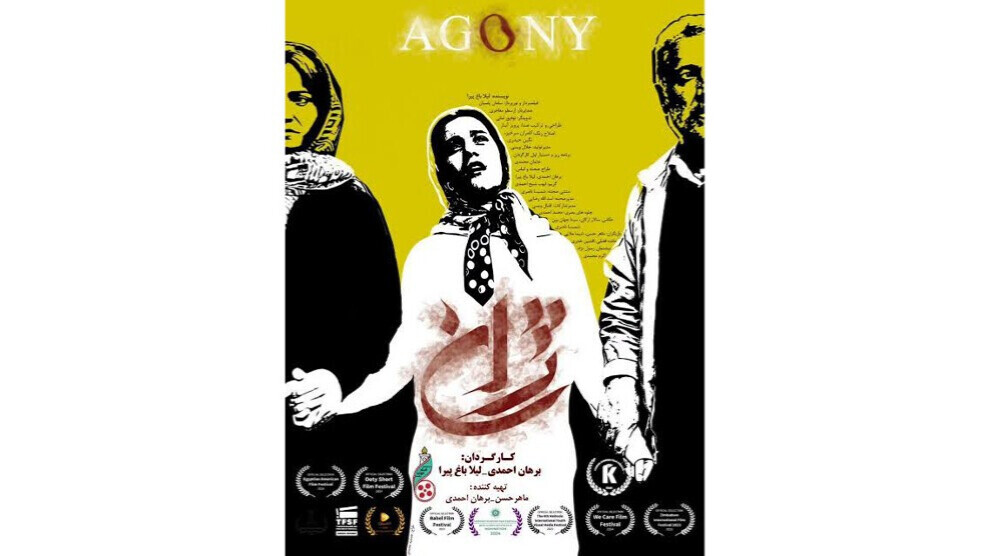
News Center — Despite challenges, Kurdish cinema continues to establish its presence in international festivals through independent works that reflect social and humanistic visions, indicating its expanding influence and competitive ability beyond regional borders.
The film "Jin," co-directed by Laila Bagh Bera alongside director Burhan Ahmadi, won two prominent awards in the main section of the Birmingham Kurdish Film Festival in the United Kingdom: "Best Screenplay" and "Best Actor." This achievement adds a new milestone to Kurdish cinema's presence on the international stage, despite the ongoing debate about its potential and developmental limits.
In its latest international participation, the feature film "Jin" managed to attract the jury's attention and win two important awards in the official competition, resonating widely in Kurdish artistic and cinematic circles, particularly in the field of independent films. Observers believe that this success reflects the expanding space of Kurdish cinema's presence in global forums and strengthens its position among productions that carve their path despite challenges.
Laila Bagh Bera received the Best Screenplay award for "Jin," and Maher Hassan received Best Actor for his role in the film, according to the organizers of the Birmingham Kurdish Film Festival in the United Kingdom. This recognized her work in writing a screenplay characterized, according to the jury, by clear narrative coherence and the ability to develop characters within the context of performance. The film, produced by two Kurdish directors from the city of Sanandaj, is part of a new wave in independent Kurdish cinema seeking to present social and humanistic narratives in a cinematic language aimed at an international audience.
This wave of independent productions reflects a growing trend among Kurdish filmmakers to transcend local boundaries and present their stories through artistic works carrying a contemporary vision, aspiring to establish a presence in global festivals.
The film won two prestigious awards at a time when Kurdish cinema still faces major challenges, including production constraints, lack of funding, and difficulties in international distribution. Nevertheless, the presence of works like "Jin" in European festivals reflects the progress of this cinema and the gradual consolidation of its presence on the global stage.
In another development, it was announced that the international distribution of "Jin" will be handled by Brando Film—a step expected to contribute to expanding the film's reach within global cinema markets. Independent cinema experts believe that the involvement of international distribution companies in supporting Kurdish films is a pivotal factor in transcending regional boundaries and reaching major festivals.
The film's success at the Birmingham Kurdish Film Festival has once again drawn attention to the potential of Kurdish cinema—a cinema that, despite facing structural constraints, remains capable of demonstrating significant presence on international stages.
It is worth noting that the film's story revolves around a young girl with an intellectual disability who becomes a victim of sexual assault, while her parents attempt to carry out an abortion, making the film address a sensitive social issue.