
Assia Djebar Prize Longlist Announced: 26 Novels Compete in Arabic, Amazigh, and French
The 8th edition of the Assia Djebar Prize includes 26 novels out of 155 submissions, reflecting the diversity and vitality of contemporary Algerian literature across three languages.
NAJWA RAHM
Algeria — Participants in the 8th edition of the Assia Djebar Prize highlighted the expanding and diverse presence of Algerian novel writing, through works that reflect a multiplicity of languages, themes, and narrative visions, showcasing the vitality of the literary scene and its capacity to embrace different and evolving experiences.
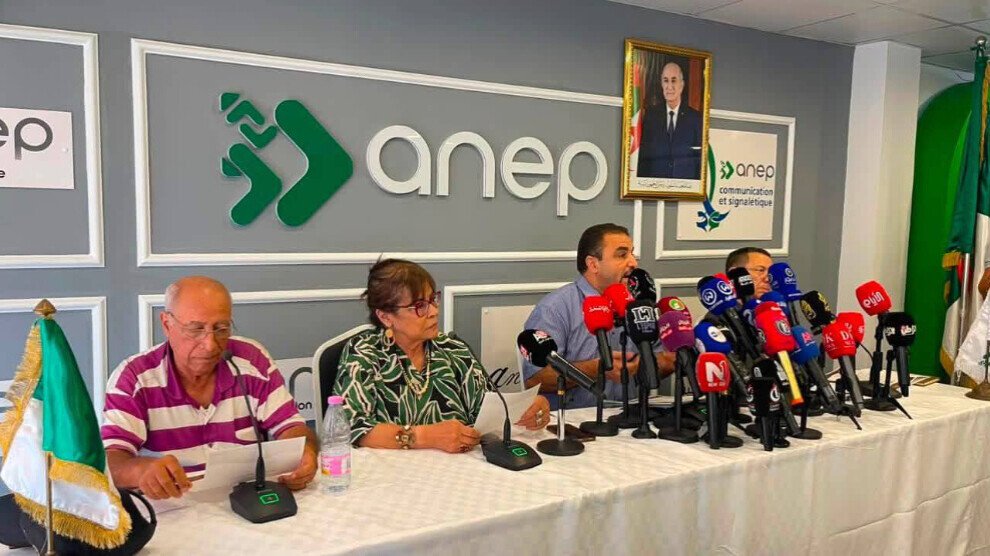
The National Communication, Publishing, and Advertising Agency announced yesterday, Wednesday, August 19, at its headquarters in Algiers, the longlist of novels nominated for the Assia Djebar Prize for the Novel in its 8th edition for 2026, which witnessed broad participation and notable diversity in terms of languages, themes, and literary generations.
The total number of novels participating in this edition reached 155 novels distributed across 53 publishing houses, including 79 novels in Arabic, 13 novels in Amazigh, and 63 novels in French. After the reading and evaluation process, 26 novels were selected for the longlist, distributed across the three languages of the prize: 10 novels in Arabic, 6 novels in Amazigh, and 10 novels in French.
These figures reflect the broad participation in the prize, which in its 8th edition continues to highlight the diversity of Algerian novelistic experiences written in different languages, with a clear presence of themes related to history, memory, society, and the human experience.
Diversity in Themes and Visions
The works that made it to the longlist reveal diversity in the themes addressed by novelists, with historical writings and biographies alongside emotional and philosophical works, as well as novels tackling issues of Algerian society, memory, and human experiences.
In this context, Maryam Qamash, a member of the jury for the 2026 Assia Djebar Prize for the Novel, said that the themes addressed by the participating works in this edition are "very diverse," noting the presence of a large number of historical novels, along with works dealing with Algerian society and anthropology, as well as novels evoking the "Black Decade" period, and others addressing love stories.
This diversity highlights the wide spaces within which contemporary Algerian novels move—between recalling historical milestones and memory, reading society and its transformations, and exploring human and emotional questions that give narrative a heartfelt dimension. The titles of the selected works also reveal a clear presence of themes such as memory, place, identity, love, death, and hope, alongside the desert, mountains, and individual and collective experiences, making the longlist a multi-faceted portrait of the current Algerian novelistic scene.
The French-language longlist included ten works, the Arabic-language longlist included ten works, and in the Amazigh-language category, the reading and evaluation committee selected six works.
A Multidisciplinary Jury
The jury of the 8th edition of the Assia Djebar Prize for the Novel is chaired by university professor and poet Hakim Miloud, with specialized committees formed for each of the three languages covered by the prize. The jury's composition brings together names from the fields of literature, criticism, academia, journalism, and translation, allowing for the evaluation of nominated works from different angles—whether in terms of narrative structure and language, or the themes and issues raised by the texts.
This composition comes at an important stage in the prize's journey, as the participating works have moved from the preliminary competition phase of 155 novels to a longlist of only 26 works.
From 155 Novels to 26 Works
Reaching the longlist gives selected works additional presence in the literary scene, especially as the prize brings together Algerian novels written in Arabic, Amazigh, and French within a single literary competition. This stage serves as a milestone before the announcement of the shortlist, expected to be revealed next September, after which the final phase of competition begins.
The three winners are expected to be announced during a ceremony on October 8, where the winning novels in the three languages will be revealed. The prize bears the name of Algerian writer Assia Djebar, one of the most prominent figures in Algerian and world literature, giving it a special symbolic and cultural dimension, particularly regarding the valorization of the Algerian novel and the encouragement of literary writing in its various languages.
The 8th edition comes amid an Algerian novelistic scene characterized by a multiplicity of voices and experiences, reflected in the 26 works that made it to the longlist—whether through linguistic diversity, varying themes, or multiple approaches to history, memory, society, identity, and human relationships.
Between 155 participating novels, 53 publishing houses, 26 works on the longlist, and three literary languages, the Assia Djebar Prize for the Novel enters a new phase of competition, awaiting the shortlist in September and the announcement of the three winners next October.