
Aisha Afandi: The Kurdish People, with Their Leadership and Movement, Are Ready for All Stages of the Peace Process
More than a year after the launch of the peace process in Turkey and northern Kurdistan, the Turkish state's slow steps are drawing criticism from the Kurdish side, which sees them as an attempt to derail the peace project.
BARJIM JOUDI
Kobani — The "Peace and Democratic Society" initiative launched by leader Abdullah Öcalan on February 27, 2025, stands as one of the most significant political milestones in the Kurdish issue, coming at a highly sensitive phase amid rapid regional transformations and political complexities that have cast their shadows over the region's future.
Although the initiative carried hopes for establishing a lasting political settlement to end decades of conflict, its stalling more than a year after its launch has reopened serious questions about the Turkish state's readiness to proceed with a genuine peace process, in the absence of the legal and practical steps that would translate the initiative into tangible reality.
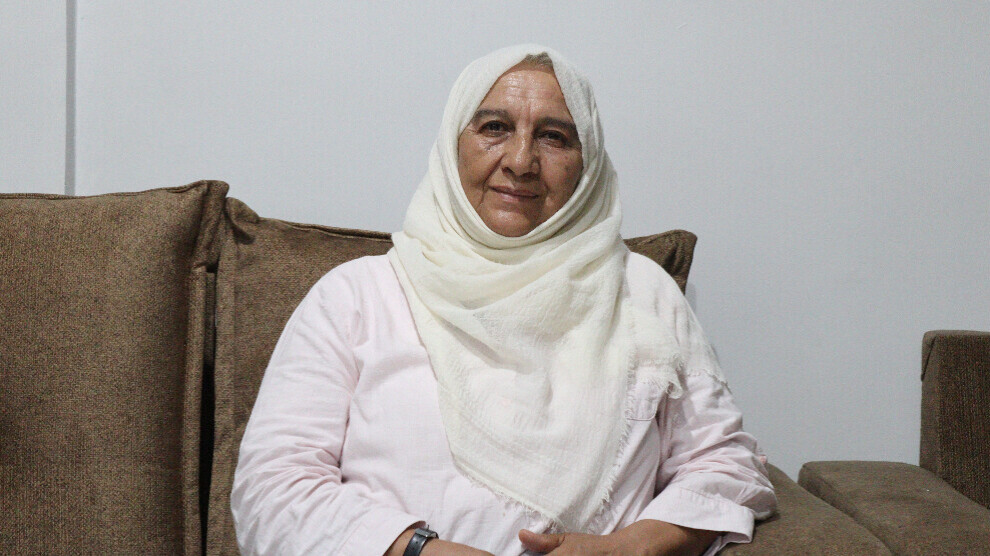
In this context, Aisha Afandi, a member of the Council of Martyrs' Families in Kobani, Rojava, affirmed that the release of leader Abdullah Öcalan's message on February 27 came at a time when the region was experiencing one of its most politically complex phases. "When leader Öcalan's message was published, no one knew where political developments were heading. News about him was completely cut off. There may have been meetings held with him by the Turkish side, but we, as the Kurdish people and the Kurdish movement, had no information about what was happening, which increased the state of ambiguity and concern about the initiative's future."
"The Position of the Leader, the Movement, and the Kurdish People Is Clear"
She affirmed that the Kurdish movement demonstrated from the outset its desire to make the initiative succeed. "On February 27, the Kurdish people and the international community were awaiting leader Öcalan's message and the announcement of this process. At that moment, many did not grasp the full dimensions of the message, so a state of shock and frustration prevailed that we still remember to this day."
She pointed out that the first steps of the process began in northern Kurdistan, where several meetings and conferences were held, followed by symbolic ceremonies for the destruction of weapons, considering that these steps "clearly reflected" the intention of the movement and the Kurdish people to make the peace and democratic society process succeed.
"Everyone Deals Cautiously with the Turkish State"
Speaking about Ankara's position, Aisha Afandi said: "The history of Turkish regimes in dealing with the Kurdish people is full of betrayal, massacres, and disasters. Therefore, many affirm their trust in the Kurdish movement and its leadership, but they do not trust the Turkish state." She explained that leader Öcalan and the Kurdish movement had previously made many initiatives to establish peace and cease fighting, but the Turkish state did not respond to them or did not commit to them.
She noted that more than a year has passed since the process was launched, and all that has been achieved so far is the formation of a committee, while the laws that are supposed to guarantee the rights of the Kurdish people remain merely draft proposals under discussion, with no practical or tangible steps taken to date.
"Essential Demands for the Success of the Process"
Aisha Afandi believes that the success of the process requires urgent steps. "Foremost among these steps is the release of all detainees in northern Kurdistan, especially those detained in the Kobani case." She added that the committee that has been formed should begin its actual work and accelerate the preparation of necessary legislation and the initiation of legal procedures.
She also called for a legal solution for the Kurdish movement's fighters in the Kurdish mountains, enabling them to know their future and participate in the political process. "The most important issue is to find a solution that leads to the physical freedom of leader Abdullah Öcalan, as the fundamental step for the success of the process."
"We Are Ready for All Possibilities"
Aisha Afandi affirmed that the Kurdish people are ready for various scenarios. "If this process does not continue and reaches a dead end—which we do not hope for—our fighters will make their decision. Those who destroyed their weapons for the sake of peace are the decision-makers, and we as a people will stand by what they decide."
She added: "We have thousands of fighters who have made sacrifices for this cause, and therefore no one will be able to end it. We have the strength, and our struggle continues."
Aisha Afandi, a member of the Council of Martyrs' Families in Kobani, concluded by emphasizing the importance of achieving Kurdish national unity under the umbrella of the Kurdish National Congress, calling on the Kurdish people to actively participate in this phase. "It is essential that the entire Kurdish people mobilize to make this process succeed, protect their existence and rights, and prevent any attempts aimed at liquidating their cause."