
Afghanistan Records Second-Lowest Women’s Labor Force Participation Globally
ILO reports women’s labor partricipatio in Afghanistan dropped from 18.3% in 2019 to 5.1% in 2026, making it second-lowest globally, as restrictions widen the gender gap.
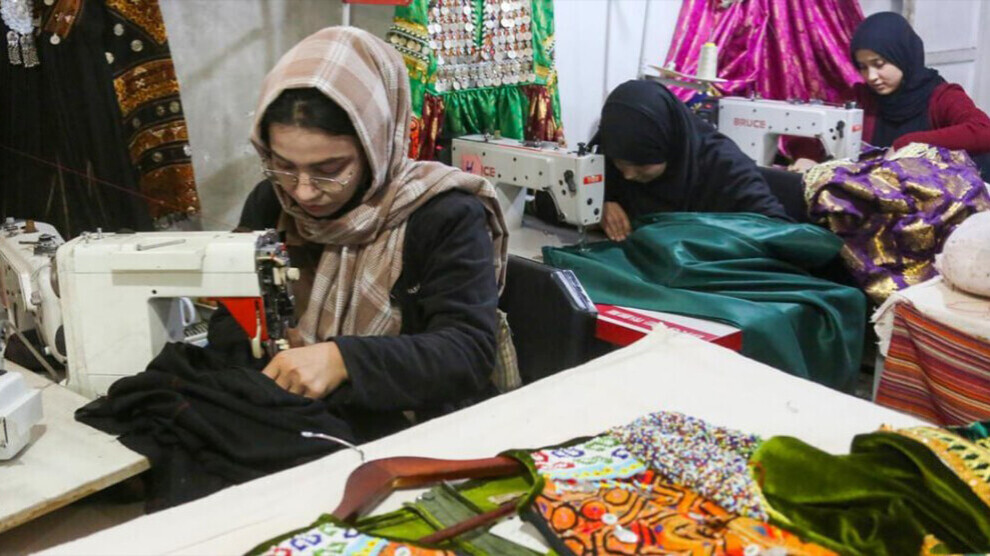
News Center — Women's participation in Afghanistan's economy is witnessing an unprecedented decline, amid increasing restrictions on education, employment, and mobility since the Taliban's return to power.
The International Labour Organization (ILO) reported that women's labor force participation in Afghanistan has sharply declined since the Taliban's return, dropping from 18.3% in 2019 to 5.1% in 2026—an indicator of widening restrictions on women and their shrinking presence in economic life.
The organization attributed this significant decline to a series of policies and restrictions that limit women's access to education, employment, and mobility, explaining that the impact of these measures has not only raised unemployment rates among women but has led to large numbers leaving the labor market and economic activity entirely.
According to the ILO, Afghanistan now ranks second-lowest globally in women's labor force participation, after Yemen, as restrictions limiting women's ability to obtain and maintain employment opportunities continue.
The ILO noted that employment growth in recent years has been concentrated primarily among men, contributing to a deepening gender gap in Afghanistan's labor market and reducing women's opportunities for economic independence and participation in productive activity.
Since returning to power, the Taliban has imposed broad restrictions on women's work in government and non-government institutions, extending to various sectors and organizations, including UN offices. Work restrictions have been accompanied by measures limiting women's education, mobility, and access to many public spheres.
The organization believes these policies have weakened women's ability to participate economically and have become an obstacle to their access to employment opportunities, as the gap between men's and women's labor market participation continues to widen.
The decline recorded over the past seven years reflects a major shift in women's economic status, as the problem is no longer limited to unemployment but has become one of exclusion from the labor market itself, limiting women's opportunities for economic independence and contribution to the country's economic and social development.