
New restrictions in Evin Prison increase pressure on prisoners
Recent reports from Evin Prison have revealed increased restrictions following the recent war, depriving prisoners of personal visits, causing delays in furloughs and parole, and increasing economic and security pressures on prisoners.
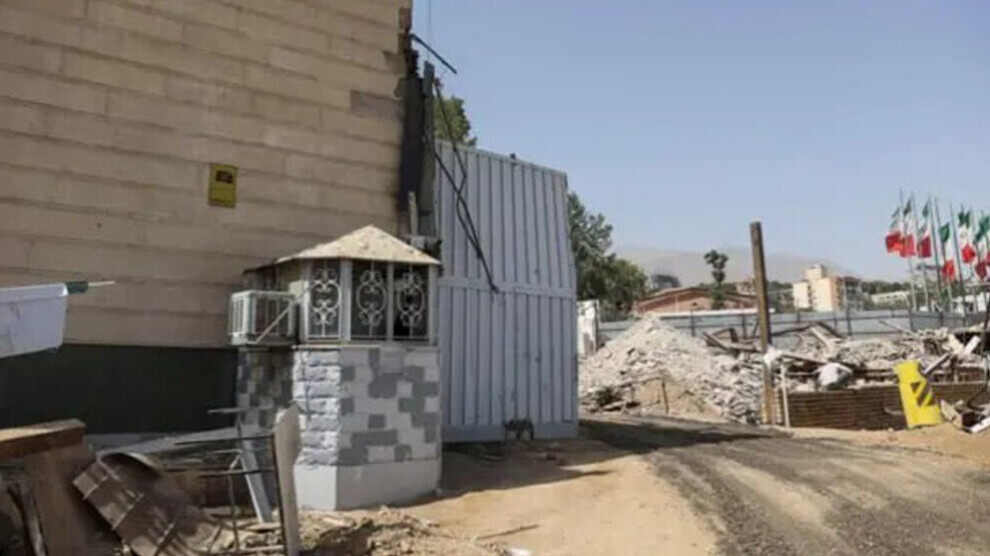
News Center – Warnings are escalating regarding the deteriorating conditions inside Iranian prisons, with reports indicating a widening scope of violations and the absence of basic standards of care and humane treatment, at a time when monitors warn of a humanitarian crisis if urgent measures are not taken to improve detainees' conditions.
Informed sources reported that some parts of Evin Prison, including the personal visitation hall, have recently seen security restrictions, with the doors of some places being welded shut. According to these sources, prisoners are currently only allowed to visit their families in a special cell, and are prohibited from personal visits.
Sources close to the prisoners indicated that these restrictions were most likely imposed due to the responsible institutions' concerns about controlling the internal situation of the prison or a lack of security forces following recent developments. At the same time, several prisoners affirmed that during the attacks and missile strikes on Evin Prison, despite the possibility of leaving some sections, they did not leave the prison, but rather participated in providing assistance to the wounded.
Prisoners' families have also expressed concern about the current conditions, describing the deprivation of personal visits as "double psychological pressure," especially for prisoners who have been deprived of normal communication with their families for months or years.
Reports revealed the publication of video clips claiming to be "confessions" of prisoners who were detained years ago and subjected to pressure to appear before the camera, raising concerns about the continued use of forced confessions in security cases.
On the other hand, the process of reviewing requests for furlough, parole, and other prisoner care issues has faced widespread disruption. Informed sources indicate that the shortage of social workers and the failure to form specialized committees may leave many prisoners in an unstable situation.
Reports also indicate a sharp increase in food prices in prisons, especially fruit and basic commodities – a problem that prisoners say has exacerbated malnutrition among the poor and increased economic pressure on their families.
At the same time, informed sources reported the arrest of people simply for filming a missile or a plane passing through the sky. According to these reports, they did not even publish the videos, but in some cases they faced long prison sentences.
The report also points to the situation of financial prisoners in Evin, where some are still detained in prison due to small debts, waiting for a judicial decision for months.
These conditions show that the prevailing atmosphere in the prisons of the Islamic Republic remains based on restrictions, pressures, and security control – a situation that, according to human rights organizations, not only contradicts the principles of prisoners' rights but also exacerbates the humanitarian crisis in prisons.