
Saiha: Thousands of girls deprived of exams in Sudan due to the conflict
Amid Sudan's ongoing conflict, the Horn of Africa Women's Network (Saiha) calls for urgent action to ensure all female and male students access education, stressing further expanded protection and guaranteed access to their necessary care.
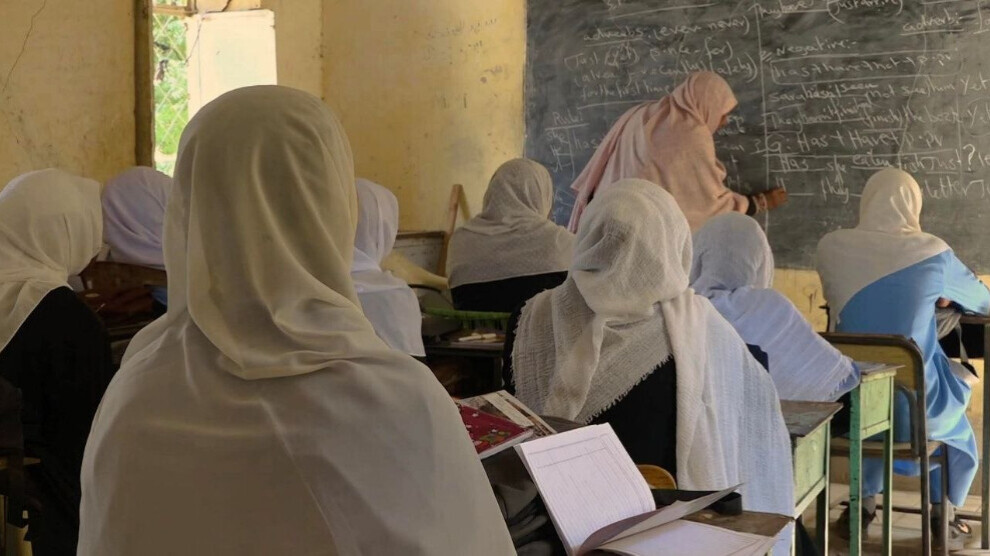
Sudan _ Today, Monday, April 13, the 2026 Sudanese certificate exams begin, as conflict continues in several areas of Sudan, causing many students, especially in areas under the control of the Rapid Support Forces, to be deprived of taking them.
The Horn of Africa Women’s Network (Saiha) launched a call yesterday, Sunday, April 12, to all concerned parties in Sudan to take urgent action to enable female and male students to access education. It called on the Sudanese Ministry of Education. International organizations, and the warring parties to work together to ensure safe passages for students, expand protection and emergency support for girls' education, in addition to ensuring they receive psychological and social care and all forms of urgent support.
The network drew attention to the fact that many female students will not be able to take the exam because they are in conflict zones or are prevented from leaving by the Rapid Support Forces, in addition to severe financial burdens and the continued lack of necessary support for the educational process in Sudan. In contrast, hundreds of girls have endured harsh and painful experiences in order to access their right to education under extremely dangerous conditions.
It affirmed that over the past two weeks, more than 1,800 students from Darfur have arrived in the city of Atbara in the Nile River state, and more than 300 students from Kordofan have arrived in the city of El Obeid in North Kordofan state. Some of them traveled distances of up to 700 kilometers, during which they were subjected to theft, intimidation, and violence. Others reported that they were threatened with detention and death by the Rapid Support Forces if they were caught on their way to take the exams. Due to these threats and the extreme dangers on the roads, thousands of girls have been unable to reach exam centers.
The network stated that the continued obstruction of girls' access to education through threats, intimidation, and violence must be treated as a grave failure to protect civilians and children, and as part of the broader pattern of violations and atrocities shaping the war in Sudan. It called for urgent action to ensure safe access to the right to education in a safe and dignified environment.